
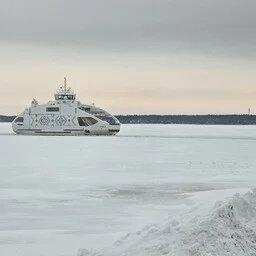
The winter was cold. There was much ice. The ice began in November. In January it got cold. The ice grew quickly. In February there was very much ice. The ice covered the Baltic Sea. The extent of the ice was large. There was ice in the Gulf of Bothnia and Estonia. In February there was the most ice. The ice covered 155,000 km². According to the professor, the ice was record-breaking.
The Estonian coast was almost frozen. The Väinameri and Pärnu Bay were frozen. The Gulf of Finland was frozen. There was little open water. The ice was thick. Ice roads were open. People were able to travel to Hiiumaa and Saaremaa.
January and February were cold. The ice lasted until April. The official ice period ended in April. This winter was shorter. The ice formed in January. The ice melted before May. The professor said that the weather is changing. Winters may be cold.
The icebreakers worked for 98 days. In the future, cold winters may come.