
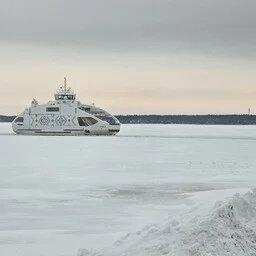
Talv oli külm
.
Jää oli palju
. Jää algas novembris. Jaanuaris tuli külm.
Jää kasvas kiiresti
. Veebruaris oli jää väga palju. Jää kattis Läänemere.
Jää ulatus oli suur
. Jää oli Bohimi lahes ja Eestis. Veebruaris oli jää kõige rohkem. Jää kattis 155 000 km². Professori sõnul oli jää rekordiline.
Talv oli külm
Tõlge fraasile: Talv oli külm
EN
The winter was cold
Jää oli palju
Tõlge fraasile: Jää oli palju
EN
There was a lot of ice
Jää kasvas kiiresti
Tõlge fraasile: Jää kasvas kiiresti
EN
The ice grew quickly
Jää ulatus oli suur
Tõlge fraasile: Jää ulatus oli suur
EN
The ice extent was large
Eesti rannik oli peaaegu jäätunud
. Väinameri ja Pärnu laht olid jäätunud. Soome laht oli jäätunud.
Vaba vett oli vähe
.
Jää oli paks
. Jääteed olid avatud. Inimesed said sõita Hiiumaale ja Saaremaale.
Eesti rannik oli peaaegu jäätunud
Tõlge fraasile: Eesti rannik oli peaaegu jäätunud
EN
The Estonian coast was almost frozen
Vaba vett oli vähe
Tõlge fraasile: Vaba vett oli vähe
EN
There was little free water
Jää oli paks
Tõlge fraasile: Jää oli paks
EN
The ice was thick
Jaanuar ja veebruar olid külmad
. Jää oli aprillini. Ametlik jääperiood lõppes aprillis. Tänavune talv oli lühem. Jää tekkis jaanuaris.
Jää sulas enne maid
.
Professor ütles, et ilm on erinev
. Talved võivad olla külmad.
Jaanuar ja veebruar olid külmad
Tõlge fraasile: Jaanuar ja veebruar olid külmad
EN
January and February were cold
Jää sulas enne maid
Tõlge fraasile: Jää sulas enne maid
EN
The ice melted before May
Professor ütles, et ilm on erinev
Tõlge fraasile: Professor ütles, et ilm on erinev
EN
The professor said that the climate is different
Jäämurdjad töötasid 98 päeva
.
Tulevikus võib tulla külmi talvi
.
Jäämurdjad töötasid 98 päeva
Tõlge fraasile: Jäämurdjad töötasid 98 päeva
EN
Icebreakers worked for 98 days
Tulevikus võib tulla külmi talvi
Tõlge fraasile: Tulevikus võib tulla külmi talvi
EN
In the future, cold winters may come
The winter was cold. There was much ice. The ice began in November. In January it got cold. The ice grew quickly. In February there was very much ice. The ice covered the Baltic Sea. The extent of the ice was large. There was ice in the Gulf of Bothnia and Estonia. In February there was the most ice. The ice covered 155,000 km². According to the professor, the ice was record-breaking.
The Estonian coast was almost frozen. The Väinameri and Pärnu Bay were frozen. The Gulf of Finland was frozen. There was little open water. The ice was thick. Ice roads were open. People were able to travel to Hiiumaa and Saaremaa.
January and February were cold. The ice lasted until April. The official ice period ended in April. This winter was shorter. The ice formed in January. The ice melted before May. The professor said that the weather is changing. Winters may be cold.
The icebreakers worked for 98 days. In the future, cold winters may come.