
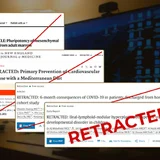
Anton Sokolov on Tallinna Tehnikaülikooli
doktorant
. Ta uurib teadusartikleid ja nende
usaldusväärsus
t. Ta vaatab ka artikleid, mis on
teadusandmebaasid
est eemaldatud. Sokolovi sõnul näitab tagasi võetud uuringute arv, kui palju on leitud probleemseid töid. Kuid see ei näita, kui palju selliseid töid tegelikult on.
doktorant
Tõlge fraasile: doktorant
EN
doctoral student
usaldusväärsus
Tõlge fraasile: usaldusväärsus
EN
reliability
teadusandmebaasid
Tõlge fraasile: teadusandmebaasid
EN
scientific databases
Septembris näitas Novaator, kui lihtne on osta teadusartikli
autorlus
. Paari sõnumi ja 800 dollariga saab olla artikli autor. Kuid see on vaid üks osa suuremast probleemist. Sokolov uurib, mis juhtub vigaste artiklitega, kui need on andmebaasidesse jõudnud.
autorlus
Tõlge fraasile: autorlus
EN
authorship
Sokolov kasutab oma töös Retraction Watchi andmebaasi. See koondab üle maailma tagasi võetud artikleid. Aastatel 2010–2025 on tagasi võetud umbes 61 000 artiklit. Aastas võetakse tagasi umbes kaks artiklit tuhandest. See näitab, et probleemseid artikleid on rohkem.
Sokolov uuris 15 000 tagasi võetud artiklit. Ta leidis, et vähem kui 2% juhtumitest olid seotud
autorlus
ega. See ei tähenda, et
autorlus
t müüakse vähe. Kirjastajatel on raske tõestada ostetud
autorlus
t, sest müük toimub salajastes vestlustes.
autorlus
Tõlge fraasile: autorlus
EN
authorship
autorlus
Tõlge fraasile: autorlus
EN
authorship
autorlus
Tõlge fraasile: autorlus
EN
authorship
Sagedamini viidatakse tagasi võtmisel probleemidele retsenseerimises. Retseptsiooni probleemid on umbes 70% juhtudest. Tehisaruga seotud artiklite puhul on sageli probleemiks programmiga loodud text. See moodustab umbes kolmandiku juhtumitest.
2023. aastal ületas tagasi võetud artiklite arv esimest korda 10 000 piiri. Kuid see ei näita probleemse materjali tegelikku levikut. Enamik tagasi võetud artikleid tuli kirjastuste puhastusprogrammidest.
Eestiga seotud tagasi võtmisi on 13. 11 neil on kaasautoreid teistest riikidest. Umbes pooled juhtumid on vanemad, näiteks kaks korda avaldatud tekst. Ülejäänud on uuemad, alates 2023. aastast.
Artiklivabrikute mõju võib ulatuda ka tehisintellekti süsteemidesse. Keelemudeleid õpetatakse interneti ja teadustööde põhjal. Seetõttu võivad mudelid õppida ka
vigast materjali
.
vigast materjali
Tõlge fraasile: vigast materjali
EN
flawed material
Üheks lahenduseks võiks olla
digitaalne allkiri
. Autorid võiksid oma panuse artiklisse digitaalselt allkirjastada. See suurendaks
läbipaistvus
t ja raskendaks
autorlus
ega manipuleerimist. Sokolov plaanib seda ideed edasi uurida.
digitaalne allkiri
Tõlge fraasile: digitaalne allkiri
EN
digital signature
läbipaistvus
Tõlge fraasile: läbipaistvus
EN
transparency
autorlus
Tõlge fraasile: autorlus
EN
authorship
Anton Sokolov is a doctoral student at Tallinn University of Technology. He researches scientific articles and their reliability. He also looks at articles that have been removed from scientific databases. According to Sokolov, the number of retracted studies shows how many problematic works have been found. However, it does not show how many such works actually exist.
In September, Novaator showed how easy it is to buy authorship of a scientific article. With a couple of messages and $800, one can become an article author. But this is just one part of a larger problem. Sokolov investigates what happens to flawed articles once they have entered databases.
Sokolov uses the Retraction Watch database in his work. It compiles retracted articles from around the world. Between 2010 and 2025, approximately 61,000 articles have been retracted. About two articles per thousand are retracted annually. This indicates that there are more problematic articles.
Sokolov studied 15,000 retracted articles. He found that less than 2% of cases were related to authorship. This does not mean that authorship is rarely sold. Publishers find it difficult to prove purchased authorship because the transactions occur in secret conversations.
More frequently, retractions are attributed to issues in peer review. Peer review problems account for about 70% of cases. In articles related to artificial intelligence, a common issue is text generated by programs. This constitutes about a third of cases.
In 2023, the number of retracted articles exceeded 10,000 for the first time. However, this does not show the actual spread of problematic material. Most retracted articles came from publishers' cleanup programs.
There are 13 retractions related to Estonia. 11 of them have co-authors from other countries. About half of the cases are older, such as texts published twice. The rest are newer, dating from 2023.
The impact of paper mills could extend to artificial intelligence systems. Language models are trained based on the internet and scientific works. Therefore, models might also learn from flawed material.
One solution could be a digital signature. Authors could digitally sign their contributions to articles. This would increase transparency and make manipulation of authorship more difficult. Sokolov plans to further investigate this idea.