
In Henry's Chronicle, the conquest of Saaremaa is the final chapter. It is considered the end of the Livonian Crusade. However, turbulent relations continued for a long time.
Historian Piia Sandra Palm says that the Saaremaa people were active makers of history. They participated in international relations and were skilled diplomats.
In 1222, Danish King Valdemar II built a stone fortress on Saaremaa. A meeting held there shows that the local elite supported him.
In 1225, the Saaremaa people sent representatives to the papal legate. They asked for help against the Danish king and promised to accept Christianity.
In 1227, war began near Muhu castle. Sources show that the conflict was not planned. After a brief clash, real military action began.
No war occurred in Valjala. The locals accepted the new rulers and allowed themselves to be baptized. Only then did the new rulers gain the town and the castle.
In 1227, Lübeck asked the Saaremaa people for help against the Danish king. The Saaremaa people agreed to help. This shows their international connections.
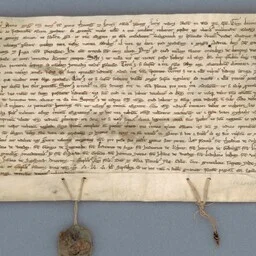
After the war, Saaremaa lands were divided among several powers. In 1254, Northern Saaremaa and Southern Hiiumaa were divided. Locals participated in the division of lands.
The treaties of 1241 and 1255 established the rights of the Saaremaa people. Locals could still manage their own lands. They paid monetary fines for crimes.
At the end of the 13th century, the new rulers built fortresses on Saaremaa. Before that, they lived in Lihula and Haapsalu. Taxes were collected by the locals themselves.
Piia Sandra Palm says that the Saaremaa people were ambitious. They constantly tested the boundaries of the new rulers. There were uprisings on the island in the 1230s and 1260s.
In 1297, the Teutonic Order locked 80 Saaremaa people in Pöide tower. Other Saaremaa people asked the bishop for help. They threatened to find a new ruler if no help came.
Serfdom came to Saaremaa only in the 14th-15th centuries. Until the 19th century, there were complaints that Saaremaa people fled from too harsh burdens.
Palm emphasizes that the crusades did not end the freedom of the Saaremaa people. It was just one chapter in their long history.