
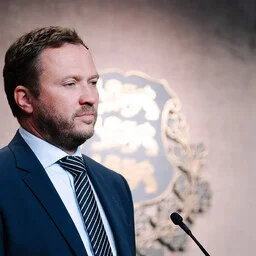
Tsahkna acknowledged the work of Minister of Economic Affairs and Infrastructure Erkki Keldo and the government. He said the directive is not suitable for Estonia.
Tsahkna said the directive is ideological and over-regulatory. He believes it will not improve the situation but may harm entrepreneurship.
The Estonian government wants to postpone the implementation of the directive by two years. Keldo said the directive increases the administrative burden on entrepreneurs.
Tsahkna said the directive is part of the European Social Democrats' election campaign. He does not want the Estonian government to participate in these campaigns.
Tsahkna mentioned that Estonia is not the only country opposed to the directive. Sweden is also satisfied with the directive.
Social Democratic leader Lauri Läänemets said the Reform Party is retreating from European values. In Estonia, the gender pay gap is large.
Läänemets said women's lower pay also reduces their sense of security. He criticized the Reform Party for not standing up for women's rights.
Läänemets predicted that the Reform Party will become a small party after the elections. The Social Democrats need a broader choice to form a new government.
The directive requires companies to disclose salary ranges in job postings. Employers can no longer ask candidates about their current salary. If the pay gap is significant, the company must conduct an analysis and correct the discrepancies.
The deadline for the directive is June 7.