
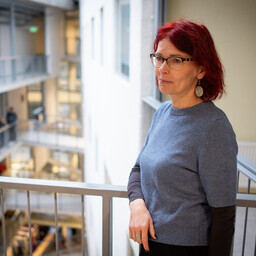
Merilyn Meristo hakkab jaanuarist juhtima suurt
rahvusvahelist projekti
. Projekti nimi on LocalLing. Selle eesmärk on aidata
säilitada ja õpetada väikekeeli
. Projekti teevad koos 13 riiki neljalt mandrilt.
rahvusvahelist projekti
Tõlge fraasile: rahvusvahelist projekti
EN
international project
säilitada ja õpetada väikekeeli
Tõlge fraasile: säilitada ja õpetada väikekeeli
EN
preserve and teach minority languages
Merilyn ütleb, et
koostöö on alanud juba suvel
. Partnerid on näiteks Kolumbiast, Sri Lankast ja kuuest Aafrika riigist. Euroopast on viis riiki, sealhulgas Eesti. Alguses oli raske, sest
kultuurid on erinevad
. Nüüd on lihtsam.
koostöö on alanud juba suvel
Tõlge fraasile: koostöö on alanud juba suvel
EN
collaboration started already in the summer
kultuurid on erinevad
Tõlge fraasile: kultuurid on erinevad
EN
cultures are different
Projekt kestab neli aastat. Loodetakse, et tekib uus teadusvõrgustik. Samuti saavad kõik osalejad teineteist paremini mõista. Väikekeelte hulka kuuluvad näiteks Eestis seto ja võro keel.
Projekti käigus külastavad teadlased teineteist. Näiteks lähevad eesti teadlased Hispaaniasse õppima, kuidas teha õpikuid. Samuli õpitakse Aafrikast, kuidas
säilitada ohustatud keeli
.
säilitada ohustatud keeli
Tõlge fraasile: säilitada ohustatud keeli
EN
preserve endangered languages
Eesti pakub teistele partneritele oma kogemusi. Näiteks
jagatakse teadmisi keelepoliitikast
ja kuidas teha uuringuid. Teised riigid õpetavad omakorda oma kogemusi.
jagatakse teadmisi keelepoliitikast
Tõlge fraasile: jagatakse teadmisi keelepoliitikast
EN
share knowledge about language policy
Projekti lõpus loodetakse kirjutada suur ühine artikkel. Samuti soovitakse
luua uusi projekte
. Merilyn loodab, et projekt aitab ka
Eesti väikekeeli, nagu mulgi keelt
.
luua uusi projekte
Tõlge fraasile: luua uusi projekte
EN
create new projects
Eesti väikekeeli, nagu mulgi keelt
Tõlge fraasile: Eesti väikekeeli, nagu mulgi keelt
EN
Estonian minority languages, such as Mulgi
Merilyn Meristo will start leading a major international project from January. The project is called LocalLing. Its goal is to help preserve and teach minority languages. The project involves 13 countries from four continents.
Merilyn says that collaboration has already begun in the summer. Partners include Colombia, Sri Lanka, and six African countries. From Europe, there are five countries, including Estonia. At first, it was difficult because the cultures are different. Now it's easier.
The project will last four years. The hope is that a new scientific network will emerge. Additionally, all participants will better understand each other. Minority languages in Estonia include Seto and Võro.
During the project, researchers will visit each other. For example, Estonian researchers will go to Spain to learn how to create textbooks. They will also learn from Africa how to preserve endangered languages.
Estonia offers its experiences to other partners. For example, knowledge is shared about language policy and how to conduct research. Other countries, in turn, teach their experiences.
At the end of the project, the aim is to write a large joint article. There is also a desire to create new projects. Merilyn hopes that the project will also help Estonian minority languages, such as Mulgi.