
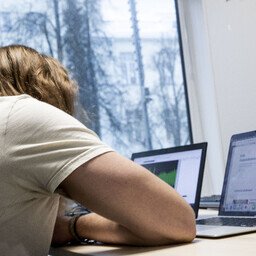
Eestis on
vaimse tervisega seotud haiguslehtede arv
kasvanud 20% aastaga. Enamasti on need noored ja naised. Psühholoog Anna-Kaisa Oidermaa ütleb, et see on
pikalt lahendamata kriis
.
vaimse tervisega seotud haiguslehtede arv
Tõlge fraasile: vaimse tervisega seotud haiguslehtede arv
EN
number of sick leaves related to mental health
pikalt lahendamata kriis
Tõlge fraasile: pikalt lahendamata kriis
EN
long-unresolved crisis
Rahvusvahelised uuringud näitavad, et kuni 65% inimestest, kel on
vaimse tervise mured
, teevad
tööd, mis ei vasta nende haridusele
. Raskemate diagnoosidega inimestest teeb sellist tööd kuni 80%. Vaimse tervise pärast võetakse haiguslehte rohkem kui varem. Eestis puuduvad uuemad uuringud, kuid
probleem süveneb
ka siin.
vaimse tervise mured
Tõlge fraasile: vaimse tervise mured
EN
mental health issues
tööd, mis ei vasta nende haridusele
Tõlge fraasile: tööd, mis ei vasta nende haridusele
EN
jobs that don't match their education
probleem süveneb
Tõlge fraasile: probleem süveneb
EN
the problem is worsening
Oidermaa ütleb, et kriisi ei ole tõsiselt lahendatud. Paljud inimesed ei saa vajalikku abi. Probleemid ilmnevad siis, kui töövõime on juba tõsiselt häiritud.
Vaimse tervise probleemide maksumus Eestile on suur. See võib olla umbes miljard eurot aastas. See hõlmab nii ravikulusid kui ka kaotatud tulu.
Mõned arvavad, et
diagnoosid nagu ATH või ärevus
on liigsest leebusest. Oidermaa ütleb, et selline suhtumine on sageli kaitsemehhanism. Arstid ei anna diagnoose ilma põhjuseta. Vaimse tervise raskustel on umbes 15–20% inimestest.
diagnoosid nagu ATH või ärevus
Tõlge fraasile: diagnoosid nagu ATH või ärevus
EN
diagnoses like ADHD or anxiety
ATH ei ole kõige sagedasem diagnoos. Sageli diagnoositakse depressiooni, ärevushäiret ja sõltuvushäiret. Vaimsed mured võivad kuhjuda. Näiteks diagnoosimata ATH, ärevus ja hiljem depressioon. Ravimine võtab palju aega.
Viimaste aastate kriisid on muutnud inimesed tundlikumaks. Siiski puudub meeleruum, kus saaks inimesega rääkida ja teda mõista. Inimesed vaimse tervise kriisiga vajavad paindlikkust ja arvestamist. Koju jäämine tihti ei aita.
Inimene vaimse tervise murega peaks proovima rääkida oma juhiga. Siis saab leida sobivaid lahendusi, nagu paindlik tööaeg või töökorralduse muutmine. Vestluse käik sõltub tööandjast. Mõned kardavad vaimse tervise murest. Kuid paljud ettevõtted teevad kõik, et inimest hoida.
Vaimne ja füüsiline tervis on sageli seotud. Vaimse mure ravimine võib aidata ka füüsilist tervist. Siiski on ühiskonnas suhtumine vaimsesse tervisesse teistsugune. Teemat püütakse vaib alla lükata.
Kui noored naised jäävad töölt kõrvale või noored mehed ei saa kaitseväkke vaimse tervise tõttu, on see normaalne. Siiski on see lühinägelik vaade tulevikule.
In Estonia, the number of sick leaves related to mental health has increased by 20% in a year. Mostly, these are young people and women. Psychologist Anna-Kaisa Oidermaa says this is a long-unresolved crisis.
International studies show that up to 65% of people with mental health issues are working jobs that do not match their education. Among people with more severe diagnoses, up to 80% are doing such work. Sick leaves are being taken more often due to mental health issues than before. Estonia lacks recent studies, but the problem is deepening here as well.
Oidermaa says the crisis has not been seriously addressed. Many people are not receiving the help they need. Problems become apparent when work capacity is already severely impaired.
The cost of mental health problems to Estonia is significant. It could be around one billion euros per year. This includes both treatment costs and lost income.
Some think that diagnoses like ADHD or anxiety are due to excessive leniency. Oidermaa says such an attitude is often a defense mechanism. Doctors do not give diagnoses without reason. Around 15–20% of people experience mental health difficulties.
ADHD is not the most common diagnosis. Often, depression, anxiety disorders, and addiction disorders are diagnosed. Mental health issues can accumulate. For example, undiagnosed ADHD, anxiety, and later depression. Treatment takes a lot of time.
The crises of recent years have made people more sensitive. However, there is a lack of mental space where one can talk to and understand a person. People in a mental health crisis need flexibility and consideration. Staying at home often does not help.
A person with mental health issues should try to talk to their supervisor. Then, suitable solutions can be found, such as flexible working hours or changes in work organization. The course of the conversation depends on the employer. Some are afraid of mental health issues. But many companies do everything to keep the person.
Mental and physical health are often connected. Treating mental health issues can also help physical health. However, society's attitude toward mental health is different. The topic is often pushed aside.
When young women drop out of work or young men cannot join the military due to mental health, it is normal. However, this is a short-sighted view of the future.