
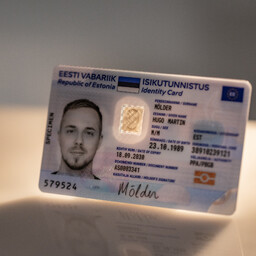
The Business Register is very useful for fraudsters. It contains, for example, personal identification codes and phone numbers. In Estonia, the personal identification code is public information, like a name.
Fraudsters use data found online to deceive people. For example, using Smart-ID or mobile-ID, they gain access to online banking. In addition to the personal identification code, they need PIN codes. For this, they call people and try to deceive them.
Fraudsters also collect information from the black market. There, data stolen by hackers is sold. For example, customer databases.
The police announced that criminals have gained access to nearly 1,500 people's eesti.ee accounts. They use this data to commit fraud for money.
Hiding personal identification codes could help reduce the possibility of fraud. Less data in the public space makes fraudsters' work harder.
In Estonia, much personal data is public for the sake of transparency. The Ministry of Justice says that the publication of personal data is a major violation of fundamental rights.
Personal identification codes can also become public through digital signatures. This is necessary to verify the validity of a document.
The decision to hide personal identification codes should be made by politicians. This requires societal debate and legislative determination.
The head of the State Information System Authority says that to combat fraud, all parties must be responsible. E-service providers should assess the risks of their environments.
The most important role is that of the person themselves. Fraudsters manipulate people to get their codes. Security can be improved, but the person themselves must be cautious.