
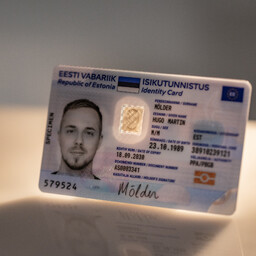
Äriregister
on kelmidele väga kasulik. Seal on näiteks
isikukoodid
ja telefoninumbrid. Isikukood on Eestis
avalik info
, nagu nimi.
Äriregister
Tõlge fraasile: Äriregister
EN
Business Register
isikukoodid
Tõlge fraasile: isikukoodid
EN
personal identification codes
avalik info
Tõlge fraasile: avalik info
EN
public information
Kelmid kasutavad internetist leitavaid andmeid, et petta inimesi. Näiteks
Smart-ID või mobiil-ID
abil saavad nad ligi
internetipankadele
. Lisaks isikukoodile vajavad nad
PIN-koode
. Selleks helistavad nad inimesele ja püüavad teda petta.
Smart-ID või mobiil-ID
Tõlge fraasile: Smart-ID või mobiil-ID
EN
Smart-ID or mobile-ID
internetipankadele
Tõlge fraasile: internetipankadele
EN
online banking
PIN-koode
Tõlge fraasile: PIN-koode
EN
PIN codes
Kelmid koguvad infot ka
mustalt turult
. Seal müüakse häkkerite poolt varastatud andmeid. Näiteks
kliendiandmebaase
.
mustalt turult
Tõlge fraasile: mustalt turult
EN
from the black market
kliendiandmebaase
Tõlge fraasile: kliendiandmebaase
EN
customer databases
Politsei teatas, et kurjategijad on ligi pääsenud ligi 1500 inimese
eesti.ee konto
le. Nad kasutavad neid andmeid, et pette raha.
eesti.ee konto
Tõlge fraasile: eesti.ee konto
EN
eesti.ee account
Isikukoodide varjamine aitaks vähendada petmise võimalust. Vähem andmeid avalikus ruumis teeb kelmide töö raskemaks.
Eestis on paljud isikuandmed avalikud läbipaistvuse huvides. Justiitsministeerium ütleb, et isikuandmete avalikustamine on suur
põhiõiguste riive
.
põhiõiguste riive
Tõlge fraasile: põhiõiguste riive
EN
violation of fundamental rights
Isikukoodid saavad avalikuks ka
digiallkiri
abil. See on vajalik, et kontrollida dokumendi kehtivust.
digiallkiri
Tõlge fraasile: digiallkiri
EN
digital signature
Isikukoodide peitmise üle peaksid otsustama poliitikud. See nõuab
ühiskondlikku debatti
ja seadusandja otsustust.
ühiskondlikku debatti
Tõlge fraasile: ühiskondlikku debatti
EN
public debate
Riigi infosüsteemi ameti juhataja ütleb, et petmise vastu võitlemiseks peavad kõik osapooled olema vastutustundlikud. E-teenuste pakkujad peaksid hindama oma keskkondade riske.
Kõige olulisem on inimese enda roll. Kelmid manipuleerivad inimestega, et saada nende koode. Turvalisust saab parandada, aga inimene ise peab olema ettevaatlik.
The Business Register is very useful for fraudsters. It contains, for example, personal identification codes and phone numbers. In Estonia, the personal identification code is public information, like a name.
Fraudsters use data found online to deceive people. For example, using Smart-ID or mobile-ID, they gain access to online banking. In addition to the personal identification code, they need PIN codes. For this, they call people and try to deceive them.
Fraudsters also collect information from the black market. There, data stolen by hackers is sold. For example, customer databases.
The police announced that criminals have gained access to nearly 1,500 people's eesti.ee accounts. They use this data to commit fraud for money.
Hiding personal identification codes could help reduce the possibility of fraud. Less data in the public space makes fraudsters' work harder.
In Estonia, much personal data is public for the sake of transparency. The Ministry of Justice says that the publication of personal data is a major violation of fundamental rights.
Personal identification codes can also become public through digital signatures. This is necessary to verify the validity of a document.
The decision to hide personal identification codes should be made by politicians. This requires societal debate and legislative determination.
The head of the State Information System Authority says that to combat fraud, all parties must be responsible. E-service providers should assess the risks of their environments.
The most important role is that of the person themselves. Fraudsters manipulate people to get their codes. Security can be improved, but the person themselves must be cautious.