
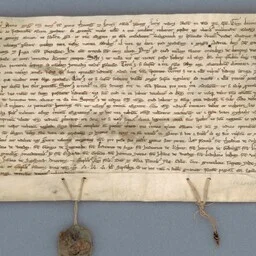
1227. aastal lõppes sõda Saaremaal
. Kuid saarlased jäid vabaks.
1227. aastal lõppes sõda Saaremaal
Tõlge fraasile: 1227. aastal lõppes sõda Saaremaal
EN
The war in Saaremaa ended in 1227
Saarlased olid targad.
Nad rääkisid teiste maadega
.
Nad said otsustada ise
.
Nad rääkisid teiste maadega
Tõlge fraasile: Nad rääkisid teiste maadega
EN
They communicated with other lands
Nad said otsustada ise
Tõlge fraasile: Nad said otsustada ise
EN
They could decide for themselves
Taani kuningas ehitas Saaremaale kindluse
.
Saarlased aitasid teda
.
Taani kuningas ehitas Saaremaale kindluse
Tõlge fraasile: Taani kuningas ehitas Saaremaale kindluse
EN
The Danish king built a fortress in Saaremaa
Saarlased aitasid teda
Tõlge fraasile: Saarlased aitasid teda
EN
The people of Saaremaa helped him
1225. aastal käisid saarlased paavsti juures.
Nad tahtsid abi Taani vastu
.
Nad tahtsid abi Taani vastu
Tõlge fraasile: Nad tahtsid abi Taani vastu
EN
They wanted help against Denmark
1227. aastal algas sõda Muhus
.
See ei olnud plaanitud
. Pärast sõda said uued isandad linna.
1227. aastal algas sõda Muhus
Tõlge fraasile: 1227. aastal algas sõda Muhus
EN
The war in Muhu began in 1227
See ei olnud plaanitud
Tõlge fraasile: See ei olnud plaanitud
EN
It was not planned
Saarlased aitasid Lübeckit
. See näitas
nende tugevaid sidemeid
.
Saarlased aitasid Lübeckit
Tõlge fraasile: Saarlased aitasid Lübeckit
EN
The people of Saaremaa helped Lübeck
nende tugevaid sidemeid
Tõlge fraasile: nende tugevaid sidemeid
EN
their strong ties
Pärast sõda jagati Saaremaa maad
. Kohalikud said oma maad hallata.
Pärast sõda jagati Saaremaa maad
Tõlge fraasile: Pärast sõda jagati Saaremaa maad
EN
After the war, the lands of Saaremaa were divided
13. sajandil ehitasid uued isandad kindlused. Maksud kogusid saarlased ise.
Saarlased olid vaprad
. Nad tegid mässe 1230. ja 1260. aastal.
Saarlased olid vaprad
Tõlge fraasile: Saarlased olid vaprad
EN
The people of Saaremaa were brave
1297. aastal pani Saksa ordu 80 saarlast vangi. Teised saarlased tahtsid abi.
Pärisorjus tuli Saaremaale hiljem
. Saarlased põgenesid raskuste eest.
Pärisorjus tuli Saaremaale hiljem
Tõlge fraasile: Pärisorjus tuli Saaremaale hiljem
EN
Serfdom came to Saaremaa later
Saarlased jäid vabaks
. Ristisõjad olid vaid osa nende ajaloost.
Saarlased jäid vabaks
Tõlge fraasile: Saarlased jäid vabaks
EN
The people of Saaremaa remained free
In 1227, the war ended in Saaremaa. But the Saaremaa people remained free.
The Saaremaa people were wise. They communicated with other lands. They could decide for themselves.
The Danish king built a fortress in Saaremaa. The Saaremaa people helped him.
In 1225, the Saaremaa people visited the Pope. They wanted help against Denmark.
In 1227, war began in Muhu. It was not planned. After the war, new lords took over the town.
The Saaremaa people helped Lübeck. This showed their strong ties.
After the war, the lands of Saaremaa were divided. The locals got to manage their own lands.
In the 13th century, the new lords built fortresses. The Saaremaa people collected taxes themselves.
The Saaremaa people were brave. They staged uprisings in 1230 and 1260.
In 1297, the Teutonic Order imprisoned 80 Saaremaa people. Other Saaremaa people wanted help.
Serfdom came to Saaremaa later. The Saaremaa people fled from hardships.
The Saaremaa people remained free. The Crusades were only a part of their history.