
On Thursday, the government approved an amendment to the public service law. It creates the possibility to pay officials whose work brings significant benefits to society or saves substantial money up to 50,000 euros in performance bonuses.
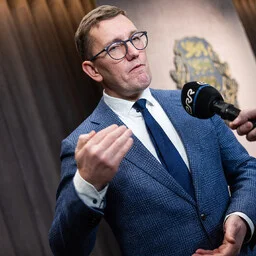
Prime Minister Kristen Michal said the new law allows paying premiums for major reforms.
Michal explained that projects will be selected by an independent commission. This commission includes various representatives of society, such as media representatives. The bonus amount can be up to 50,000 euros per official and up to 500,000 euros per project.
Michal stated that this opportunity should motivate officials to work harder. If an official's decisions are very important, they may receive additional compensation.
According to the new law, performance bonuses can also be paid to those working on a project-based contract. The bonus will be paid only if the project's results are fully achieved.
The legislative amendment is inspired by the private sector's motivation system. The organization of work in government agencies will also be changed.
Middle managers, such as department heads, will be appointed for five-year terms. This is expected to help improve career opportunities and management quality.
Upon the law's entry into force, current managers will remain in their positions until July 1, 2031. After that, competitions will be held to fill the positions. This change affects approximately 800 middle management positions.
The rules for layoffs will also change. Previously, the notice period for layoffs was tied to the official's length of service in public service. Now it will be tied to their length of service in a specific government agency.
Until now, employees in government agencies have been divided into officials and contract workers. Their motivation systems and working conditions have differed. The new law will standardize working conditions and salary systems for officials and employees.
All employees will receive the same salary components: base salary, variable pay, and additional payments. Restrictions will also be imposed on their payment.
The government sent the draft to the parliament for discussion. Approximately 28,000 people work in public service, of whom 6,000 work in state agencies and 3,000 in local governments.