
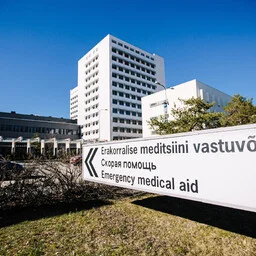
North Estonia Medical Centre (PERH) pays about 500,000 euros per year for patient insurance. However, the hospital itself has to pay for treatment errors because compensations are small.
PERH quality manager Priit Tohver says the hospital pays a lot for insurance, but compensations are small. Over the past two years, compensations have been only 50,000 euros.
Tohver says the system is expensive because there is no competition. Only one insurance company (PZU) offers this service. In his opinion, there should be more competition to lower prices.
The hospital has to pay for treatment errors itself if compensations are below 50,000 euros. This makes the situation difficult. Tohver says the money spent on insurance could be better used for patient treatment.
There are also problems with expert opinions. The hospital does not always know who writes these opinions. This makes the situation more confusing.
Over the past two years, patients have filed 51 claims, but only 18 cases have received compensation. Tohver says the new system has not changed much.
Sometimes the hospital itself has admitted a mistake and offered compensation. In such cases, the situation is resolved quickly.
Tohver rates the new patient insurance system 3 out of 5 points. The positive aspect is that patients are aware of the system and file more claims. The negative aspects are the high cost and lack of transparency.
Last year, Estonia's patient insurance system cost 9 million euros. The largest compensation was 15,000 euros. The Health Insurance Fund pays part of the insurance premiums, but hospitals also have to pay themselves.
The Patient Insurance Act came into force on November 1, 2024. Hospitals had to sign insurance contracts by December 1, 2024. Currently, only PZU Insurance provides this service.