
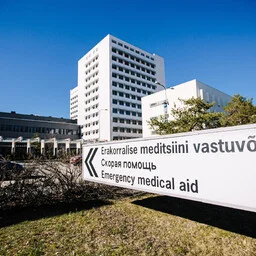
Põhja-Eesti Regionaalhaigla (PERH) maksab patsiendikindlustuse eest umbes 500 000 eurot aastas. Kuid haigla ise peab maksma ravivigade eest, sest
hüvitised on väikesed
.
hüvitised on väikesed
Tõlge fraasile: hüvitised on väikesed
EN
compensations are small
PERH kvaliteedijuht Priit Tohver ütleb, et haigla maksab kindlustuse eest palju, kuid
hüvitised on väikesed
. Viimase kahe aasta jooksul on hüvitised olnud ainult 50 000 eurot.
hüvitised on väikesed
Tõlge fraasile: hüvitised on väikesed
EN
compensations are small
Tohver ütleb, et
süsteem on kallis
, sest
konkurentsi pole
. Ainult üks kindlustusfirma (PZU) pakub seda teenust. Tema arvates peaks olema rohkem konkurentsi, et hinnad langeksid.
süsteem on kallis
Tõlge fraasile: süsteem on kallis
EN
the system is expensive
konkurentsi pole
Tõlge fraasile: konkurentsi pole
EN
there is no competition
Haigla peab ise maksma ravivigade eest, kui hüvitised on alla 50 000 euro. See teeb olukorra raskeks. Tohver ütleb, et raha, mida kulutatakse kindlustusele, võiks paremini kasutada patsientide raviks.
Ekspertarvamustega on ka probleeme. Haigla ei tea alati, kes need arvamused kirjutab. See teeb olukorra segasemaks.
Viimase kahe aasta jooksul on patsiendid esitanud 51 nõuet, kuid ainult 18 juhtumit on saanud hüvitise. Tohver ütleb, et uus süsteem ei ole palju muutnud.
Mõnikord on haigla ise tunnistanud viga ja pakkunud hüvitist. Sellisel juhul laheneb olukord kiiresti.
Tohver annab
uuele
patsiendikindlustuse süsteem
ile hindeks 3 punkti 5-st
ile hindeks 3 punkti 5-st"
data-translations='{"en":"rated the new patient insurance system 3 out of 5 points","ru":"оценил новую систему страхования пациентов в 3 балла из 5","uk":"оцінив нову систему страхування пацієнтів у 3 бали з 5"}'
data-article-title=""
data-article-id="5baf5c35-f874-457b-92a2-0b76ac144bae"
aria-label="Save phrase"
title="Salvesta fraas">
-->
. Positiivne on, et patsiendid teavad süsteemist ja esitavad rohkem nõudeid. Negatiivne on aga
kõrge hind ja vähene läbipaistvus
.
patsiendikindlustuse süsteem
Tõlge fraasile: patsiendikindlustuse süsteem
EN
patient insurance system
patsiendikindlustuse süsteem
Tõlge fraasile: patsiendikindlustuse süsteem
EN
patient insurance system
uuele
patsiendikindlustuse süsteem
ile hindeks 3 punkti 5-st
patsiendikindlustuse süsteem
Tõlge fraasile: patsiendikindlustuse süsteem
EN
patient insurance system
Tõlge fraasile: uuele
patsiendikindlustuse süsteem
ile hindeks 3 punkti 5-st
patsiendikindlustuse süsteem
Tõlge fraasile: patsiendikindlustuse süsteem
EN
patient insurance system
EN
rated the new patient insurance system 3 out of 5 points
kõrge hind ja vähene läbipaistvus
Tõlge fraasile: kõrge hind ja vähene läbipaistvus
EN
high cost and low transparency
Eelmisel aastal maksis Eesti
patsiendikindlustuse süsteem
9 miljonit eurot. Suurim hüvitis oli 15 000 eurot. Tervisekassa maksab osa kindlustusmaksetest, kuid haiglad peavad ka ise maksma.
patsiendikindlustuse süsteem
Tõlge fraasile: patsiendikindlustuse süsteem
EN
patient insurance system
Patsiendikindlustuse seadus jõustus 1. novembril 2024. Haiglad pidid
sõlmima kindlustuslepingu
1. detsembriks 2024. Praegu pakub seda teenust ainult PZU Kindlustus.
sõlmima kindlustuslepingu
Tõlge fraasile: sõlmima kindlustuslepingu
EN
conclude an insurance contract
North Estonia Medical Centre (PERH) pays about 500,000 euros per year for patient insurance. However, the hospital itself has to pay for treatment errors because compensations are small.
PERH quality manager Priit Tohver says the hospital pays a lot for insurance, but compensations are small. Over the past two years, compensations have been only 50,000 euros.
Tohver says the system is expensive because there is no competition. Only one insurance company (PZU) offers this service. In his opinion, there should be more competition to lower prices.
The hospital has to pay for treatment errors itself if compensations are below 50,000 euros. This makes the situation difficult. Tohver says the money spent on insurance could be better used for patient treatment.
There are also problems with expert opinions. The hospital does not always know who writes these opinions. This makes the situation more confusing.
Over the past two years, patients have filed 51 claims, but only 18 cases have received compensation. Tohver says the new system has not changed much.
Sometimes the hospital itself has admitted a mistake and offered compensation. In such cases, the situation is resolved quickly.
Tohver rates the new patient insurance system 3 out of 5 points. The positive aspect is that patients are aware of the system and file more claims. The negative aspects are the high cost and lack of transparency.
Last year, Estonia's patient insurance system cost 9 million euros. The largest compensation was 15,000 euros. The Health Insurance Fund pays part of the insurance premiums, but hospitals also have to pay themselves.
The Patient Insurance Act came into force on November 1, 2024. Hospitals had to sign insurance contracts by December 1, 2024. Currently, only PZU Insurance provides this service.