
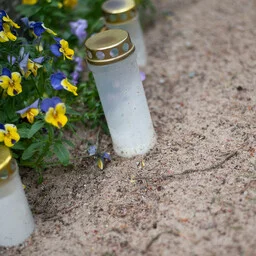
Marju Kõivupuu says that funerals and cemetery traditions have changed over time. With the end of religious customs during the Soviet era, funerals have become a service. Tarko Tuisk finds that the speed of life and development have distanced people from death.
Tarku Tuisk says that in the past, the deceased were sent off at home. Today, people buy services because death creates discomfort. Tuisk sees a problem here where society does not acknowledge death.
Medical advancements and the weakening of family ties have further distanced people from death. Elderly and sick people often reside in care homes or hospitals.
Funerals may no longer bring families together. Marju Kõivupuu says that many young people have not seen funeral processions.
People increasingly prefer life-affirming funerals. For example, a funeral may have a dancer or play favorite music. Mourners want to celebrate the deceased's life positively.
Marju Kõivupuu says that classical music is often associated with death. But funerals are changing, and people don't have to be so serious.
Urbanization and the fast pace of life also affect grave maintenance. On average, Estonians visit a grave only once or twice a year.
People are increasingly choosing tree funerals and memorial parks. Planting a tree symbolizes the cycle of nature and does not require constant maintenance.
Marju Kõivupuu says that children should be talked to about death naturally. Practical activities, such as watering flowers, help children understand life and death.
Tarko Tuisk and Marju Kõivupuu recommend that cemetery visits and remembrance become a family tradition. Children learn better when they can participate.