
The water level in the Gulf of Finland has dropped, but not as much as in the Väinameri. The captain of Tallinn Port says that passenger ships can still sail to Finland. However, traveling to the islands is difficult.
Currently, the water level in Tallinn's harbors is low, but this has happened before. The difference is that now the low water level has persisted for a long time. For passenger ships, water level changes are monitored in the Old Harbor. There may be issues with passenger ramps there.
Captain Seeman said that everything is currently fine. If the water level drops further, ships will need to find a more suitable harbor spot. The harbor has sufficient depth.
The bigger problem is the movement of ice. Ice has reached Loksa harbor and is approaching Muuga harbor. Ice charts are checked daily to know when the ice will reach the harbor.
In Sillamäe and Kunda harbors, ships must have an ice class of 1C. They must have enough power to sail through the ice. If the cold continues, the situation in Muuga harbor may become more difficult.
Starting next week, cargo ships sailing to Kopli, Tallinn, and Muuga harbors must have a specific ice class. Since the wind brings ice into the harbors, an icebreaker may be needed.
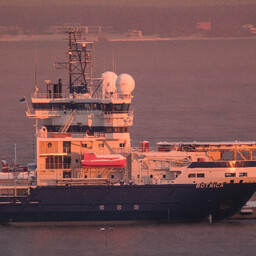
Passenger ships have no issues with ice. Icebreakers are already working in Sillamäe, Kunda, and Pärnu. In Tallinn, the icebreaker Tarmo will start operating.
Estonia is fortunate because the ice in the Gulf of Finland spreads from the St. Petersburg side. Last winter, Estonia did not have to break ice.
Seeman says that the water level will start rising next week. The wind will calm down and no longer carry away as much water. The ice problem will remain, but nothing extraordinary will happen.