
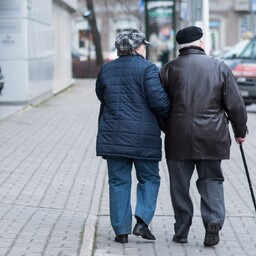
Levinud arvamus ütleb, et eakad ei kasuta nutiseadmeid. Tegelikult võib vanem inimene olla
korraga teleri, telefoni ja raadio infoväljades
. Oluline on olla kriitiline info suhtes.
korraga teleri, telefoni ja raadio infoväljades
Tõlge fraasile: korraga teleri, telefoni ja raadio infoväljades
EN
simultaneously in the information fields of TV, phone, and radio
Maia Klaassen ütleb, et inimesed oskavad infot otsida. Probleem on
suures infohulgas
. Paljud kanalid teevad olulise info leidmise keeruliseks. Klaassen ütleb: "Kui sa ei tea, mis su omavalitsus teeb,
küsi endalt, kust sa infot otsisid
."
suures infohulgas
Tõlge fraasile: suures infohulgas
EN
in the large amount of information
küsi endalt, kust sa infot otsisid
Tõlge fraasile: küsi endalt, kust sa infot otsisid
EN
ask yourself where you searched for information
Vanem inimene võib istuda teleri ees, telefon käes ja raadio taustaks. See võib väsimuse ja
infomanipulatsioonideni viia
. Eurobaromeetri andmetel on
raske tuvastada võltsinfot
. Sirle Salmistu ütleb, et trükitud info ei pruugi olla tõene.
infomanipulatsioonideni viia
Tõlge fraasile: infomanipulatsioonideni viia
EN
lead to information manipulation
raske tuvastada võltsinfot
Tõlge fraasile: raske tuvastada võltsinfot
EN
difficult to identify fake news
Klaassen räägib
doomscrolling
'ist, kus inimene vaatab lõputult ekraanil infot. See ei mõjuta ainult noori. Ka vanem inimene võib
veeta tunde Facebookis
, et maailmaga ühenduses olla. Klaassen ütleb: "Ekraaniaeg ei ole sama. Oluline on teha kasulikke asju."
doomscrolling
Tõlge fraasile: doomscrolling
EN
doomscrolling
veeta tunde Facebookis
Tõlge fraasile: veeta tunde Facebookis
EN
spend hours on Facebook
Eakate digipädevuse tõstmiseks ei aita lihtsalt nuppude meeldejätmine. Oluline on
mõista süsteemide loogikat
. Klaassen toob näite: "Kui laps õpetab, et vajuta kollasele nupule, võib see hiljem muutuda roheliseks."
mõista süsteemide loogikat
Tõlge fraasile: mõista süsteemide loogikat
EN
understand the logic of systems
Linnaruumis on sageli vähe kohti, kus lihtsalt olla. Lastele on palju mänguväljakuid, aga eakatele napib tasuta kohti. Salmistu ütleb, et avalikus ruumis peaks olema rohkem võimalusi.
Klaassen nõustub, et kohalikel omavalitsustel peaks olema rohkem kohti, kus saab lihtsalt istuda. Ta ütleb: "Eestlased armastavad vaikselt teiste keskel olla."
Salmistu leiab, et pinkide puudus on suur probleem. Need annaksid eakatele puhkepaiga ja võimaluse suhelda. Ta ütleb: "Sotsiaalsed suhted on eakatele väga tähtsad. Kokkusaamiskohtade olemasolu on vajalik."
The common belief is that the elderly do not use smart devices. In reality, an older person can simultaneously engage with TV, phone, and radio information fields. It is important to be critical of information.
Maia Klaassen says that people know how to search for information. The problem lies in the large amount of information. Many channels make it difficult to find important information. Klaassen says, "If you don’t know what your local government is doing, ask yourself where you searched for information."
An older person can sit in front of the TV, phone in hand, with radio in the background. This can lead to fatigue and information manipulation. According to Eurobarometer data, it is difficult to identify fake news. Sirle Salmistu says that printed information may not necessarily be true.
Klaassen talks about doomscrolling, where a person endlessly scrolls through information on the screen. This does not only affect young people. An older person can also spend hours on Facebook to stay connected with the world. Klaassen says, "Screen time is not the same. It’s important to do useful things."
Improving the digital competence of the elderly is not just about remembering buttons. It is important to understand the logic of systems. Klaassen gives an example: "If a child teaches you to press the yellow button, it might later turn green."
In urban spaces, there are often few places to simply exist. There are many playgrounds for children, but free spaces for the elderly are scarce. Salmistu says that public spaces should offer more opportunities.
Klaassen agrees that local governments should provide more places where people can simply sit. She says, "Estonians love to quietly be among others."
Salmistu believes that the lack of benches is a big problem. They would give the elderly a resting place and an opportunity to socialize. She says, "Social relationships are very important for the elderly. The existence of meeting places is necessary."