
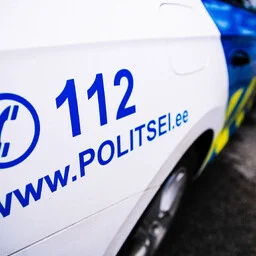
On Wednesday, the Riigikogu passed a legislative amendment granting the police the right to impose a ban on stay of up to 72 hours in cases of domestic violence.
Previously, the ban on stay was only 12 hours long. Now, the police can apply a longer ban to ensure the safety of victims. The Ministry of the Interior stated that the change will better protect victims from recurring violence.
Before imposing a ban on stay, the police must complete a risk assessment form and review previous incidents. All decisions must be in writing.
Interior Minister Igor Taro said that a longer ban on stay gives victims time to seek help and make decisions calmly. He emphasized that this is an important step in protecting victims.
In 2024, 3,373 cases of intimate partner violence were registered, which is 5% more than the previous year. The police impose a ban on stay approximately 500 times each year.
The ban on stay is a rapid measure applied immediately when there is a risk of recurring violence. It provides victims with a sense of security and the opportunity to seek help.
A restraining order, however, is a judicial measure requiring the victim's consent and takes more time. The police must be able to intervene quickly in critical situations.
According to Riigikogu member Timo Suslov, the ban on stay does not deprive anyone of their human rights. It is a temporary measure that helps prevent further violence.
Suslov said that violence can be physical, mental, or digital. Victims must be ensured safety and support, while the perpetrator must take responsibility.
Previously, the ban on stay in Estonia was much shorter than in other European countries. For example, in Latvia, the ban lasts up to 8 days, and in Lithuania, 15 days. International experts found that Estonia's regulations do not meet the requirements of the Istanbul Convention.
The legislative amendments will take effect after being proclaimed by the President.