
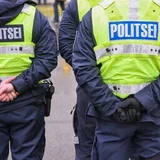
The police can now legally provide first aid when a person is in a life-threatening condition and an ambulance has not yet arrived.
Currently, police officers help people, but the law did not clearly state what they are allowed to do. The ambulance usually arrives later. Many police officers have learned to provide first aid, says police chief Roger Kumm.
For example, police officers are not allowed to perform serious medical interventions, even if they know how to do so. They simply help in emergencies. For example, they apply pressure to wounds or assist with breathing.
If an ambulance cannot arrive quickly, such as in a dangerous situation, the police can help first. For example, during the Lihula shooting, the ambulance could not reach the victims.
Ain Peil, a Ministry of the Interior employee, says the new law makes the rules clear. Police officers now know what they are allowed to do. They no longer have to worry about whether they are allowed to help.
Doctors say the new law is good. But they want police officers to perform only simple aid procedures. Complex procedures should be performed only by ambulances.
Under the new law, police officers can also check whether a person is under the influence of narcotics. Previously, this required going to a hospital.