
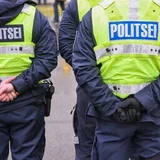
Politsei saab nüüd seaduslikult anda esmaabi, kui inimene on
eluohtlikus seisundis
ja kiirabi pole veel kohal.
eluohtlikus seisundis
Tõlge fraasile: eluohtlikus seisundis
EN
in a life-threatening condition
Praegu aitavad politseinikud inimesi, aga seadus ei öelnud selgelt, mida nad tohib teha. Kiirabi saabub tavaliselt hiljem. Paljud politseinikud on õppinud esmaabi andma, ütleb politsei juht Roger Kumm.
Näiteks ei tohi politseinikud teha rasket meditsiinilist sekkumist, kuigi nad oskavad seda. Nad aitavad lihtsalt hädast. Näiteks
panevad survet haavale
või
aitavad hingata
.
panevad survet haavale
Tõlge fraasile: panevad survet haavale
EN
apply pressure to the wound
aitavad hingata
Tõlge fraasile: aitavad hingata
EN
help with breathing
Kui
kiirabi ei saa kiiresti kohale
, näiteks
ohtlikul juhul
, võib politsei aidata esmalt. Näiteks Lihula tulistamise ajal ei saanud kiirabi ohvrite juurde minna.
kiirabi ei saa kiiresti kohale
Tõlge fraasile: kiirabi ei saa kiiresti kohale
EN
the ambulance cannot arrive quickly
ohtlikul juhul
Tõlge fraasile: ohtlikul juhul
EN
in a dangerous case
Siseministeeriumi töötaja Ain Peil ütleb, et uus seadus teeb reeglid selgeks. Politseinikud teavad nüüd, mis neil lubatud on. Nad ei pea enam muretsema, kas nad tohib aidata.
Arstid ütlevad, et uus seadus on hea. Aga nad tahavad, et politseinikud teeksid ainult
lihtsaid abivõtteid
. Raskeid protseduure peaks tegema ainult kiirabi.
lihtsaid abivõtteid
Tõlge fraasile: lihtsaid abivõtteid
EN
simple assistance methods
Uue seadusega saab politseinik ka ise kontrollida, kas inimene on
narko joobes
. Enne pidi selleks
minema haiglasse
.
narko joobes
Tõlge fraasile: narko joobes
EN
under the influence of drugs
minema haiglasse
Tõlge fraasile: minema haiglasse
EN
go to the hospital
The police can now legally provide first aid when a person is in a life-threatening condition and an ambulance has not yet arrived.
Currently, police officers help people, but the law did not clearly state what they are allowed to do. The ambulance usually arrives later. Many police officers have learned to provide first aid, says police chief Roger Kumm.
For example, police officers are not allowed to perform serious medical interventions, even if they know how to do so. They simply help in emergencies. For example, they apply pressure to wounds or assist with breathing.
If an ambulance cannot arrive quickly, such as in a dangerous situation, the police can help first. For example, during the Lihula shooting, the ambulance could not reach the victims.
Ain Peil, a Ministry of the Interior employee, says the new law makes the rules clear. Police officers now know what they are allowed to do. They no longer have to worry about whether they are allowed to help.
Doctors say the new law is good. But they want police officers to perform only simple aid procedures. Complex procedures should be performed only by ambulances.
Under the new law, police officers can also check whether a person is under the influence of narcotics. Previously, this required going to a hospital.