
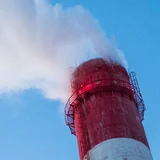
Estonia has earned a lot of money from the sale of carbon quotas. Since 2013, the revenue has exceeded 2.3 billion euros.
A large portion of the funds goes to the transport and mobility sector. One billion euros has been allocated for this purpose. For building energy savings, 446 million euros have been used. For renewable energy, 175 million euros have been used.
The money also goes to science and nature conservation. Almost 164 million euros have been allocated for science. For nature conservation and climate change, 37 million euros have been used.
Last year, the money was used for the construction of Rail Baltica. Railways were also electrified. Six new electric trains were purchased. The trains will arrive in Estonia in 2026.
Work was carried out at the ports of Virtsu and Kuivastu. The ports must be ready for the new electric ferry.
Some buildings were renovated to save energy. New low-energy buildings were also constructed.
Wind turbines are being built in northeastern Estonia. Work is being done on the island of Vaindloo for renewable energy.
The electricity costs of theaters were reduced. Support was also provided for monitoring Lake Võrtsjärv and the sea. Work was done for geothermal energy.
New buildings are being constructed to help against floods. These are, for example, in Paide, Pärnu, and Haapsalu.
The revenue from the sale of CO2 units comes from the European Union system. Companies must pay if they pollute the air. This encourages them to use cleaner technologies.
In Estonia, this money is used for climate and energy projects. The system includes 37 large companies and one airline.
Since 2024, maritime transport has also been included in the system. From 2026, the system will include 16 Estonian shipping companies with 53 ships.