
Riigikogu vaatas läbi uue seaduse
hoiu-laenuühistu
te kohta. Uue seaduse järgi peavad
hoiu-laenuühistu
d
muutuma pangaks
või ühistupangaks. See tähendab, et nad lähevad
finantsinspektsiooni kontrolli all
a.
hoiu-laenuühistu
Tõlge fraasile: hoiu-laenuühistu
EN
savings and loan association
hoiu-laenuühistu
Tõlge fraasile: hoiu-laenuühistu
EN
savings and loan association
muutuma pangaks
Tõlge fraasile: muutuma pangaks
EN
become a bank
finantsinspektsiooni kontrolli all
Tõlge fraasile: finantsinspektsiooni kontrolli all
EN
under the supervision of the Financial Supervision Authority
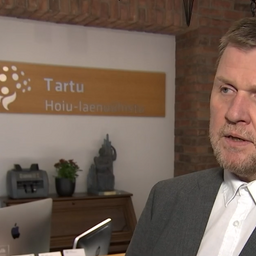
Raigo Sõlg ütles, et praegu on
hoiu-laenuühistu
d
finantsinspektsiooni kontrolli all
. Ta märkis, et
hoiu-laenuühistu
te vormi kaotamine on suur probleem.
hoiu-laenuühistu
Tõlge fraasile: hoiu-laenuühistu
EN
savings and loan association
finantsinspektsiooni kontrolli all
Tõlge fraasile: finantsinspektsiooni kontrolli all
EN
under the supervision of the Financial Supervision Authority
hoiu-laenuühistu
Tõlge fraasile: hoiu-laenuühistu
EN
savings and loan association
Tulevikus peavad
hoiu-laenuühistu
d taotlema finantsinspektsioonilt
tegevusluba
. Nad peavad olema valmis maksma hoiuseid 60 päeva jooksul.
hoiu-laenuühistu
Tõlge fraasile: hoiu-laenuühistu
EN
savings and loan association
tegevusluba
Tõlge fraasile: tegevusluba
EN
operating license
Sõlg usub, et kui nad saavad oma
probleemid lahendada
, saavad nad edasi minna. Aga ühistupangana jätkamine ei ole lihtne.
probleemid lahendada
Tõlge fraasile: probleemid lahendada
EN
solve problems
Ühistupanga
kapital muutub
pidevalt. Kui liikmeid tuleb juurde,
kapital kasvab
. Kui liikmeid läheb ära, kapital väheneb. Kapital on pidevalt muutuv.
kapital muutub
Tõlge fraasile: kapital muutub
EN
capital changes
kapital kasvab
Tõlge fraasile: kapital kasvab
EN
capital increases
Aktsiaseltsina on kapital fikseeritud. Kui keegi tahab lahkuda, peab ta oma
aktsia müüma
. Ühistupanga puhul on see keerulisem, sest
kapital muutub
pidevalt.
aktsia müüma
Tõlge fraasile: aktsia müüma
EN
sell shares
kapital muutub
Tõlge fraasile: kapital muutub
EN
capital changes
The Riigikogu reviewed the new law regarding credit unions. According to the new law, credit unions must become banks or cooperative banks. This means they will fall under the supervision of the Financial Supervision Authority.
Raigo Sõlg said that currently, credit unions are under the supervision of the Financial Supervision Authority. He noted that the elimination of the credit union form is a major problem.
In the future, credit unions will have to apply for an operating license from the Financial Supervision Authority. They must be prepared to repay deposits within 60 days.
Sõlg believes that if they can resolve their issues, they can move forward. However, continuing as a cooperative bank is not easy.
The capital of a cooperative bank constantly changes. If new members join, the capital increases. If members leave, the capital decreases. The capital is continuously fluctuating.
In the case of a joint-stock company, the capital is fixed. If someone wants to leave, they must sell their shares. For a cooperative bank, this is more complicated because the capital is constantly changing.