
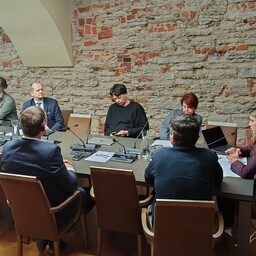
Reformierakonna ja Eesti 200 saadikud ei toetanud korruptsioonivastases erikomisjonis
e-valimiste turvaohtude arutelu
. Seetõttu ei toimunud komisjoni avalik istung.
e-valimiste turvaohtude arutelu
Tõlge fraasile: e-valimiste turvaohtude arutelu
EN
discussion of e-voting security risks
Komisjoni esimees Anastassia Kovalenko-Kõlvart ütles, et tehti siiski
vabas vormis arutelu
. Sellest võtsid osa
asjatundjad koos poliitikutega
.
vabas vormis arutelu
Tõlge fraasile: vabas vormis arutelu
EN
informal discussion
asjatundjad koos poliitikutega
Tõlge fraasile: asjatundjad koos poliitikutega
EN
experts together with politicians
Kovalenko-Kõlvart rääkis, et teadlane Tarvo Treier leidis e-valimiste süsteemis mitmeid turvaauke. Need tuleks avalikult arutada.
Ta lisas, et hämmastav on, et koalitsioonisaadikud ei taha seda teemat arutada. See näitab, et
valimiste julgeolek
ei ole neile tähtis.
valimiste julgeolek
Tõlge fraasile: valimiste julgeolek
EN
election security
Teadlane tuvastas, et süsteem ei märganud näiteks kehtetuid hääli või
mitmeid hääli ühelt inimeselt
. See info saadeti
valimisteenistus
ele veebruaris, kuid seda hoiti saladuses.
mitmeid hääli ühelt inimeselt
Tõlge fraasile: mitmeid hääli ühelt inimeselt
EN
multiple votes from one person
valimisteenistus
Tõlge fraasile: valimisteenistus
EN
election service
Valimisteenistus teatas avalikkusele ohtudest alles detsembris, pärast kõikide e-häälte hävitamist. Kovalenko-Kõlvart küsis, miks avalikust vemer ei teavitatud.
Viimastel valimistel anti üle 8000 e-häält. Mõned neist tühistati või olid
korduvhääletuse tulemus
. See näitab, et
manipuleerimine oli võimalik
ning audiitor ei pruukinud seda märgata.
korduvhääletuse tulemus
Tõlge fraasile: korduvhääletuse tulemus
EN
result of repeated voting
manipuleerimine oli võimalik
Tõlge fraasile: manipuleerimine oli võimalik
EN
manipulation was possible
The MPs from the Reform Party and Eesti 200 did not support the discussion on e-election security threats in the Anti-Corruption Special Committee. Therefore, the committee's public session did not take place.
The committee chair Anastassia Kovalenko-Kõlvart said that an informal discussion was still held. Experts along with politicians participated in it.
Kovalenko-Kõlvart stated that researcher Tarvo Treier found several security vulnerabilities in the e-election system. These should be discussed publicly.
She added that it is astonishing that coalition MPs do not want to discuss this topic. This shows that election security is not important to them.
The researcher identified that the system did not detect, for example, invalid votes or multiple votes from one person. This information was sent to the election service in February but was kept secret.
The election service informed the public about the threats only in December, after the destruction of all e-votes. Kovalenko-Kõlvart asked why the public was not notified earlier.
In the last elections, over 8000 e-votes were cast. Some of them were canceled or were the result of repeated voting. This shows that manipulation was possible, and the auditor might not have noticed it.