
Riigikontrolli uus aruanne
näitab, et Eesti inimestel on
tervishoiukulude omaosalus
liiga suur.
Riigikontrolli uus aruanne
Tõlge fraasile: Riigikontrolli uus aruanne
EN
New report by the National Audit Office
tervishoiukulude omaosalus
Tõlge fraasile: tervishoiukulude omaosalus
EN
out-of-pocket healthcare costs
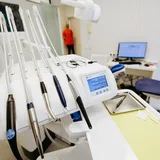
Eestis maksavad patsiendid ise 21 protsenti kuludest. Hambaravi on kõige kallim. Ravimid ja õendusabi on ka kallid.
Kui
omaosalus kasvab
, läheb kogu süsteem kallimaks. Varem ravitud inimesed ei jää
raskelt haigeks
. 21 protsent on juba liiga palju.
omaosalus kasvab
Tõlge fraasile: omaosalus kasvab
EN
out-of-pocket costs increase
raskelt haigeks
Tõlge fraasile: raskelt haigeks
EN
severely ill
Sotsiaalministeeriumil on eesmärk
omaosalust vähendada
. Ministeerium teeb analüüsi. Analüüs valmib järgmise aasta lõpuks.
Sotsiaalministeeriumil on eesmärk
Tõlge fraasile: Sotsiaalministeeriumil on eesmärk
EN
The Ministry of Social Affairs aims
omaosalust vähendada
Tõlge fraasile: omaosalust vähendada
EN
to reduce out-of-pocket costs
WHO soovitab
15-protsendilist omaosalust. See on Eestil veel kauge eesmärk. Hambaravi on üks
suurema omaosalusega valdkond
i. Riik maksab hambaravi eest vähe.
WHO soovitab
Tõlge fraasile: WHO soovitab
EN
WHO recommends
suurema omaosalusega valdkond
Tõlge fraasile: suurema omaosalusega valdkond
EN
area with higher out-of-pocket costs
Eesti
tervishoiukulud moodustasid
eelmisel aastal ligikaudu kaheksa protsenti SKP-st. Euroopa Liidu keskmine on 10 protsenti.
tervishoiukulud moodustasid
Tõlge fraasile: tervishoiukulud moodustasid
EN
healthcare costs accounted for
Praegu ei ole võimalik kõiki tervishoiuteenuseid rahastada. Ravijuhtide arv on vähenenud.
The new report from the National Audit Office shows that Estonians' share of health care costs is too high.
In Estonia, patients pay 21 percent of the costs themselves. Dental care is the most expensive. Medications and nursing care are also costly.
When the share grows, the entire system becomes more expensive. Earlier treated people do not become seriously ill. 21 percent is already too much.
The Ministry of Social Affairs aims to reduce the share. The ministry is conducting an analysis. The analysis will be completed by the end of next year.
WHO recommends a 15 percent share. This is still a distant goal for Estonia. Dental care is one of the areas with a higher share. The state pays little for dental care.
Estonia's health care costs last year amounted to approximately eight percent of GDP. The European Union average is 10 percent.
Currently, it is not possible to fund all health care services. The number of treatment specialists has decreased.