
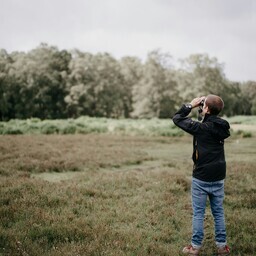
Citizen science means people contributing to scientific work. For example, birdwatching, counting bats, or reporting Lusitanian toadfish. Estonian scientists investigated whether officials use this data in decision-making.
The study showed that officials rarely use data collected by enthusiasts. Carmen Kilvits said that officials do not trust enthusiasts. Also, many officials do not know enough about citizen science. However, some officials do seek and use the data.
Eike Tammekänd said that the data is very diverse. Some data is good and is entered into the nature information system. Other data is inaccurate and cannot be used. Officials check the data, but there is little time and resources.
Marju Keis mentioned that the data should go into larger systems. For example, the nature observation database or PlutoF. Then there is a greater chance that it will be used. The data is also used to create species maps.
Eike Tammekänd said it is important to add photos and location coordinates. Carmen Kilvits added that the data collected by enthusiasts is important because state funding is being reduced.