
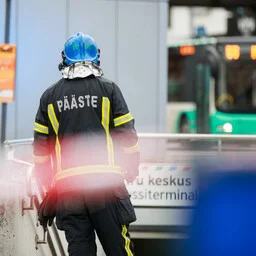
The Police and Border Guard Board (PPA) says that last year there were over a hundred bomb threats in Estonia. This year, there have already been 83.
Many bomb threats start when someone leaves an item in a public place. For example, a suitcase was left at a bus stop in Tallinn. The police checked it but found no danger.
The police say that if you see a suspicious bag or suitcase, call the police immediately. The police and rescue service must check each such case. This takes a lot of time and effort.
The police ask: do not leave your bags or suitcases in public places. Take your trash to the bin, do not leave it on the street.
If the police or rescue service checks a suspicious item, it may close the road. This affects the movement of buses and trams. For example, a tram must stop and let people off.
The tram driver must take care of the passengers. They do not always know how long the stop will last. Their main task is to keep everyone safe.