
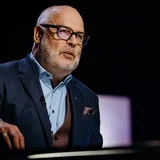
President Alar Karis rääkis ERR-ile. Ta ütles, et
riigikogu peaks rohkem mõtlema seaduste mõjule
. Ta soovib, et
president esindaks Eestit NATO kohtumistel
.
riigikogu peaks rohkem mõtlema seaduste mõjule
Tõlge fraasile: riigikogu peaks rohkem mõtlema seaduste mõjule
EN
the parliament should think more about the impact of laws
president esindaks Eestit NATO kohtumistel
Tõlge fraasile: president esindaks Eestit NATO kohtumistel
EN
the president should represent Estonia at NATO meetings
Karis tunnistas, et ta oli
välispoliitikast kõrvale jäetud
. Ta ütles, et presidendil on
raske teiste sõnumeid edastada
, kui ta ise ei osale protsessis.
välispoliitikast kõrvale jäetud
Tõlge fraasile: välispoliitikast kõrvale jäetud
EN
left out of foreign policy
raske teiste sõnumeid edastada
Tõlge fraasile: raske teiste sõnumeid edastada
EN
difficult to convey others' messages
Presidendi olulisemad otsused on seaduste tagasisaatmised. Karis ütles, et
mõned seadused teevad vaidlust
. Ta rõhutas, et
riigikogu peaks oma tööd paremini tegema
.
mõned seadused teevad vaidlust
Tõlge fraasile: mõned seadused teevad vaidlust
EN
some laws cause disputes
riigikogu peaks oma tööd paremini tegema
Tõlge fraasile: riigikogu peaks oma tööd paremini tegema
EN
the parliament should do its job better
Karis kõneles ka
automaksust
. Ta saatis selle tagasi, sest see
mõjutas haavatavaid inimesi
. Lõpuks võeti seadus vastu, kuid rakendusaktid olid
põhiseaduse vastu
.
automaksust
Tõlge fraasile: automaksust
EN
car tax
mõjutas haavatavaid inimesi
Tõlge fraasile: mõjutas haavatavaid inimesi
EN
affected vulnerable people
põhiseaduse vastu
Tõlge fraasile: põhiseaduse vastu
EN
against the constitution
Teine suur teema oli
kirikute seadus
. Karis
jättis selle korduvalt välja kuulutamata
. Ta ütles, et kirikud elavad erinevas maailmas. Seadus
jõudis lõpuks riigikohtusse
.
kirikute seadus
Tõlge fraasile: kirikute seadus
EN
church law
jättis selle korduvalt välja kuulutamata
Tõlge fraasile: jättis selle korduvalt välja kuulutamata
EN
repeatedly left it unpublished
jõudis lõpuks riigikohtusse
Tõlge fraasile: jõudis lõpuks riigikohtusse
EN
eventually reached the Supreme Court
Välispoliitikas on
presidendi roll piiratud
. Karis käis üle saja riigis, kuid Eestis seda vähe märgati. Ta soovitaks, et president käiks NATO kohtumistel. Nii saaks ta paremini suhelda valitsusega.
presidendi roll piiratud
Tõlge fraasile: presidendi roll piiratud
EN
the president's role is limited
Karis mõtles ka
Rail Balticule
. Ta ei uskunud, et see saab 2030. aastaks valmis. Tänaseks on selgunud, et tal oli õigus.
Rail Balticule
Tõlge fraasile: Rail Balticule
EN
Rail Baltic
Lõpuks meenutas Karis rõõmsaid hetki. Ta meeldisid eriti
auhindade andmise hetked
. Ta ütles, et iga president saab ise otsustada, kui palju ordeneid jagada.
auhindade andmise hetked
Tõlge fraasile: auhindade andmise hetked
EN
moments of awarding prizes
President Alar Karis spoke to ERR. He said that the Riigikogu should think more about the impact of laws. He wants the president to represent Estonia at NATO meetings.
Karis acknowledged that he had been sidelined in foreign policy. He said it is difficult for the president to convey messages from others when he is not involved in the process.
The president's most important decisions are vetoing laws. Karis said that some laws create controversy. He emphasized that the Riigikogu should do its job better.
Karis also spoke about the car tax. He vetoed it because it affected vulnerable people. Ultimately, the law was passed, but the implementing acts were unconstitutional.
Another major issue was the church law. Karis repeatedly left it unannounced. He said that churches live in a different world. The law eventually reached the Supreme Court.
In foreign policy, the president's role is limited. Karis visited over a hundred countries, but in Estonia, it was barely noticed. He would recommend that the president attend NATO meetings. This way, he could communicate better with the government.
Karis also reflected on Rail Baltica. He did not believe it would be ready by 2030. Today, it has become clear that he was right.
Finally, Karis recalled joyful moments. He particularly enjoyed the moments of awarding prizes. He said that every president can decide for themselves how many orders to award.