
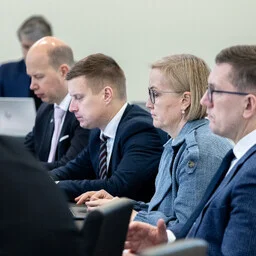
Eesti valitsus soovib, et
Euroopa Liidu palkade läbipaistvuse direktiiv
jõustuks kaks aastat hiljem. Minister Erkki Keldo ütleb, et see
suurendab ettevõtjate töökoormust
.
Euroopa Liidu palkade läbipaistvuse direktiiv
Tõlge fraasile: Euroopa Liidu palkade läbipaistvuse direktiiv
EN
EU pay transparency directive
suurendab ettevõtjate töökoormust
Tõlge fraasile: suurendab ettevõtjate töökoormust
EN
increases the workload for entrepreneurs
Direktiivi kohaselt peaksid ettevõtted avaldama töökuulutustes
palgavahemiku
. Tööandja ei tohi küsida kandidaadilt tema praegust palka.
palgavahemiku
Tõlge fraasile: palgavahemiku
EN
salary range
Kui meeste ja naiste
palgaerinevus
on suurem kui viis protsenti, peab ettevõte analüüsi tegema ja vead parandama. Suuremates ettevõtetes on vaja teha
palgatabeleid
.
palgaerinevus
Tõlge fraasile: palgaerinevus
EN
pay gap
palgatabeleid
Tõlge fraasile: palgatabeleid
EN
pay tables
Valitsus otsustas öelda direktiivile ei. Minister Keldo ütleb, et see on vajalik Eesti ettevõtete
konkurentsivõime säilitamiseks
.
konkurentsivõime säilitamiseks
Tõlge fraasile: konkurentsivõime säilitamiseks
EN
to maintain competitiveness
Sotsiaaldemokraat Karin Paulus ei usu, et direktiiv suurendab töökoormust. Tema arvates on see lihtne ja aitab töötajatel. Paulus ütleb, et direktiiv aitab naistel ja meestel saada
võrdset palka
.
võrdset palka
Tõlge fraasile: võrdset palka
EN
equal pay
Minister Keldo ütleb, et palk peaks olema
läbirääkimiste tulemus
. Riik ei peaks kõiki detaile ette kirjutama.
läbirääkimiste tulemus
Tõlge fraasile: läbirääkimiste tulemus
EN
result of negotiations
Eestis on üks suuremaid
palgaerinevus
i Euroopas. Paulus ütleb, et direktiiv aitab töötajatel saada
õiglasemat palka
.
palgaerinevus
Tõlge fraasile: palgaerinevus
EN
pay gap
õiglasemat palka
Tõlge fraasile: õiglasemat palka
EN
fairer pay
Valitsus on valmis
maksma trahve
, kui direktiiv tuleb kohustuslikuks. Keldo ütleb, et trahv oleks väiksem kui direktiivi ülevõtmise kulud.
maksma trahve
Tõlge fraasile: maksma trahve
EN
pay fines
Sotsiaaldemokraadid ja
ametiühingud
on valmis protestima, kui direktiivi ei rakendata. Paulus ütleb, et see on oluline naiste ja meeste
võrdsuse jaoks
.
ametiühingud
Tõlge fraasile: ametiühingud
EN
trade unions
võrdsuse jaoks
Tõlge fraasile: võrdsuse jaoks
EN
for equality
The Estonian government wants the EU Pay Transparency Directive to come into force two years later. Minister Erkki Keldo says this would increase the workload for businesses.
According to the directive, companies should disclose salary ranges in job advertisements. Employers may not ask candidates about their current salary.
If the gender pay gap exceeds five percent, companies must conduct an analysis and correct discrepancies. Larger companies need to prepare pay reports.
The government decided to reject the directive. Minister Keldo says this is necessary to maintain the competitiveness of Estonian companies.
Social Democrat Karin Paulus disagrees that the directive increases workload. She believes it's straightforward and helps employees. Paulus says the directive helps women and men receive equal pay.
Minister Keldo argues that salaries should be determined through negotiations. The state shouldn't regulate all details.
Estonia has one of the largest gender pay gaps in Europe. Paulus says the directive would help employees receive fairer wages.
The government is prepared to pay fines if the directive becomes mandatory. Keldo says fines would be smaller than implementation costs.
Social Democrats and trade unions are ready to protest if the directive isn't implemented. Paulus says this is crucial for gender equality.