
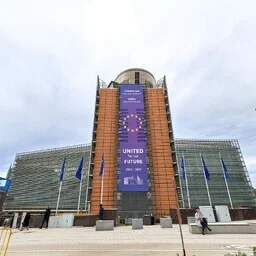
A major job competition is being organized in the European Union. 175,000 people have registered for it. Almost half of them are Italians. 382 Estonians have applied.
80,000 Italians registered for the exam. This is much more than expected. The last such competition was six years ago. EPSO, which organizes the competition, now has a lot of work to do.
There are very many candidates in the competition. There are only 1,490 positions. This means there are 117 candidates per position. The 750 best will get a job immediately. The rest will remain on the reserve list.
Italians make up 45% of the candidates. This makes the competition even harder for them. The European Union's goal is for Italians to make up 11.2% of the employees. Now there are many more.
Exams only assess results. Nationality does not affect the evaluation. National balance is only considered later when selecting employees.
Exams have not been held since 2019. The reason was technical problems. EPSO now uses only a web-based system.
Number of applicants by country: Italy (79,450), Spain (13,796), Germany (11,705), Greece (10,087), France (10,939), Estonia (382).
The European Commission is under pressure to recruit more employees from northern and western countries. Currently, there are many Italians, Belgians, and Greeks. New measures should help balance the situation.
Underrepresented countries include Denmark, Sweden, the Netherlands, Czech Republic, Austria, and Luxembourg. These countries have even demanded quotas.
The 2025 document shows that balance has not been achieved. The situation is particularly bad in higher positions. More people come from southern countries, fewer from northern ones.
In 2017, 10 countries were underrepresented. In 2021, there were 13. France has now caught up, but Germany is still halfway there.
Belgium has the most EU officials. Belgium is overrepresented. The recommendation is 3.1%, but the actual figure is 8.5%.
In 2024, 16% of entry-level officials were Italians. This is more than the recommended 11%. Greece's figure is 6.3%, which is also twice the target level.
Estonians make up 1.5% of EU officials. This is almost twice the target level (0.8%). However, there are fewer Estonians in the Commission: 0.6% at the lower level and 0.7% at the higher level.
Estonians are proportionally well represented in higher positions. But the lack of interest in lower positions could lead to underrepresentation.
The salaries of EU officials start at €6,000. The highest salary is €24,000 per month.