
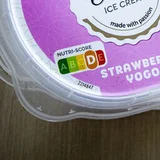
Nutri-Score is a label that shows the healthiness of food. It originated from France. In Estonia, there is a discussion on whether this label is good. The use of the label is not mandatory, but the state must approve it.
Leibur is a bakery business. Their products have a Nutri-Score label of C. This means average healthiness. Leibur wants all producers to use the same labeling. However, some products are not healthy enough.
The head of Leibur says that Nutri-Score could be a problem. Consumers might choose more foreign products. This is not fair to local producers.
Many producers do not want the Nutri-Score label. For example, dairy products might get a low score because they contain a lot of sugar. The same problem exists with salt and fats.
The head of Valio Estonia says the label is too simplistic. For example, cheese could get a worse score than Coca-Cola Zero. This is not fair.
Another example is butter. Margarine could have a better score than butter. This is not logical.
The state considers the concerns of producers. But the state also cares about the health of consumers. Nutri-Score helps consumers understand food better.
Nutri-Score is not mandatory. But if many producers use it, others must follow.
Lidl uses the Nutri-Score label. Studies show that Estonian people want clear information about food. People do not always understand the information on packaging.