
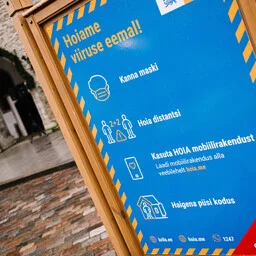
Katkumuistendid ja tänapäeva kriiside kohta rääkimisel on palju ühist. Mõlemad õpetavad inimesi, kuidas
ohtudega toime tulla
.
ohtudega toime tulla
Tõlge fraasile: ohtudega toime tulla
EN
cope with dangers
Vana rahvajuttudes öeldakse täpselt,
mida teha, et katkust pääseda
. Näiteks antakse juhised,
kuhu põgeneda
või mida teha, et
ellu jääda
. Tänapäeval öeldakse tihti lihtsalt, mida mitte teha.
mida teha, et katkust pääseda
Tõlge fraasile: mida teha, et katkust pääseda
EN
what to do to escape the plague
kuhu põgeneda
Tõlge fraasile: kuhu põgeneda
EN
where to flee
ellu jääda
Tõlge fraasile: ellu jääda
EN
survive
Teadlased leidsid, et vanad jutud ja tänapäeva
kriisiteated
on sarnased. Mõlemad räägivad ohtudest ja aitavad inimesi nendega toime tulla. Vanades juttudes on aga rohkem rõhku sellel, mida inimene ise teha saab.
kriisiteated
Tõlge fraasile: kriisiteated
EN
crisis alerts
Inimesed on alati tahtnud teada, kust oht tuleb ja
kuhu põgeneda
. See on nii vanades juttudes kui ka tänapäeva kriisiteadetes. Näiteks koroona ajal öeldi lihtsalt "
jää kodus
!", aga inimesed tahtsid teada, mida veel teha saab.
kuhu põgeneda
Tõlge fraasile: kuhu põgeneda
EN
where to flee
jää kodus
Tõlge fraasile: jää kodus
EN
stay at home
Vana rahvajuttudes on oht tihti konkreetne. Näiteks lendab järv ära, kui inimesed teevad midagi rumalat. Tänapäeval näeme ka lihtsaid kaarte, kus oht on punasega märgitud. Tegelikult on ohtud aga keerulisemad.
Kriiside ajal on oluline anda inimestele
selgeid juhiseid
. Kui öeldakse lihtsalt, mida mitte teha,
tekib segadus
. Inimesed tahavad teada, mida nad teha saavad. Vanad jutud näitavad, kuidas seda paremini teha.
selgeid juhiseid
Tõlge fraasile: selgeid juhiseid
EN
clear instructions
tekib segadus
Tõlge fraasile: tekib segadus
EN
confusion arises
Kokkuvõtteks võib öelda, et vanadest juttudest saame õppida, kuidas paremini kriiside kohta rääkida. Oluline on anda inimestele selgeid ja lihtsaid juhiseid, mida teha.
Plague legends and talking about modern crises have much in common. Both teach people how to deal with dangers.
In old folk tales, it is told exactly what to do to escape the plague. For example, instructions are given on where to flee or what to do to survive. Today, it is often simply said what not to do.
Scientists have found that old tales and modern crisis messages are similar. Both talk about dangers and help people cope with them. However, old tales place more emphasis on what a person can do themselves.
People have always wanted to know where the danger comes from and where to flee. This is true both in old tales and modern crisis messages. For example, during the coronavirus, it was simply said "stay at home!", but people wanted to know what else they could do.
In old folk tales, the danger is often specific. For example, a lake flies away if people do something stupid. Today, we also see simple maps where the danger is marked in red. In reality, the dangers are more complex.
During crises, it is important to give people clear instructions. If it is simply said what not to do, confusion arises. People want to know what they can do. Old tales show how to do this better.
In summary, it can be said that from old tales we can learn how to better talk about crises. It is important to give people clear and simple instructions on what to do.