
2025 was one of the hottest years in Estonia. The air temperature was 1.6 degrees higher than usual. It was the third hottest year in recorded history.
In Europe in 2025, at least 95% of regions were warmer than usual. Heatwaves extended from the Mediterranean to the Arctic. Sea water temperatures were the highest in history. Wildfires destroyed over a million hectares of forest.
In Estonia, the five hottest years have occurred since 2015. Winters have become particularly warmer. Extreme weather events, such as heavy rains and heatwaves, are frequent.
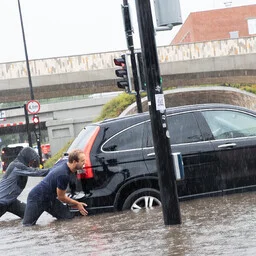
In the summer of 2025, there was a lot of rain in Estonia. The amount of precipitation was a third higher than usual. Heavy rains caused floods and damaged fields. There were two heatwaves in July.
The Environment Agency says that climate changes are already part of our lives. They are not in the distant future. Winters are warmer, heatwaves are frequent, and the risk of floods is greater.
Taimar Ala, director of the Environment Agency, said that climate changes are affecting Estonia and Finland. In 2025, there was a long and intense heatwave. Adaptation to climate changes is necessary already today.
The Environment Agency uses long-term data. Forests, bogs, and coastlines help mitigate the effects of climate changes. They protect against floods and sequester carbon.
Climate changes damage nature and biodiversity. Droughts, wildfires, and changes in precipitation affect animals and plants. Nature cannot adapt quickly.
The European climate report was written by the European Weather Service and the World Meteorological Organization. It shows how climate changes affect nature, the economy, and people's lives.