
Õppekäigud on Eesti hariduse jaoks väga tähtsad. Lahendus ei ole need õppetööst välja jätta. Lahendus on leida raha, mis ei sõltu lapsevanemast. Riik ja omavalitsus peavad sellele raha leidma.
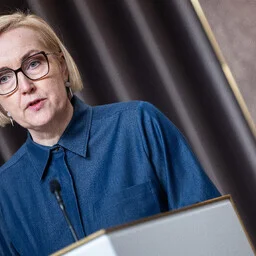
Minister Kallas ütleb, et juhendit tuleb selgemaks kirjutada. Sinna lisatakse selgitused, kuidas saab õppetegevust annetustega rahastada. Juhendisse kirjutatakse ka näiteid, et koolid saaksid paremini aru.
Kool ei saa eeldada, et lapsevanem maksab õppetegevuse eest. Kui
tegevus on õppekava osa
, ei tohi vanemad seda maksta. Kui tegevus rikastab õppekava ja ei ole kohustuslik, saab seda teha annetustega ja lapsevanemate toel. See peab olema vabatahtlik.
tegevus on õppekava osa
Tõlge fraasile: tegevus on õppekava osa
EN
the activity is part of the curriculum
Praegu on segadus, millal annetamine on lubatud. Küsimus pole selles, kas tegevus toimub koolipäeval, vaid kas see on õppekohustuslik.
Seaduse järgi peab vanem tagama lapsele õppimiseks vajalikud tingimused. Küsimus on selles, mis on need tingimused. Kas suusad on vajalikud või piisab vihikutest ja koolikotist? Minister ütleb, et
kool peab tagama vajalikud vahendid
, kui vanem ei saa neid osta.
kool peab tagama vajalikud vahendid
Tõlge fraasile: kool peab tagama vajalikud vahendid
EN
the school must provide the necessary resources
Ministeerium andis koolidele eelmisel aastal raha liikumistundideks. Loodetavasti kasutavad koolid seda raha suusavarustuse või pallimängude ostmiseks.
Üle 400 asutuse saatis ministrile pöördumise. Nad hoiatavad, et
õppekäikude vähenemine võib olla õpilastele halb
. Nad soovivad ministrilt
selgeid juhiseid õppekäikude korraldamiseks
.
õppekäikude vähenemine võib olla õpilastele halb
Tõlge fraasile: õppekäikude vähenemine võib olla õpilastele halb
EN
a reduction in field trips may be bad for students
selgeid juhiseid õppekäikude korraldamiseks
Tõlge fraasile: selgeid juhiseid õppekäikude korraldamiseks
EN
clear guidelines for organizing field trips
Field trips are very important for Estonian education. The solution is not to exclude them from the educational process. The solution is to find funds that do not depend on parents. The state and local governments must find this money.
Minister Kallas says that the guidelines need to be clarified. Explanations will be added on how educational activities can be funded through donations. The guide will also include examples to help schools understand better.
Schools cannot assume that parents will pay for educational activities. If the activity is part of the curriculum, parents are not allowed to pay for it. If the activity enriches the curriculum and is not compulsory, it can be done through donations and with parental support. This must be voluntary.
There is currently confusion about when donations are allowed. The issue is not whether the activity takes place on a school day, but whether it is compulsory.
According to the law, parents must provide the necessary conditions for their child's education. The question is what those conditions are. Are skis necessary, or are notebooks and a school bag sufficient? The minister says that the school must provide the necessary equipment if the parent cannot afford it.
The ministry allocated funds to schools last year for physical education classes. Hopefully, schools will use this money to purchase ski equipment or balls for games.
More than 400 institutions have sent an appeal to the minister. They warn that the reduction in field trips could be detrimental to students. They want clear guidelines from the minister on organizing field trips.