
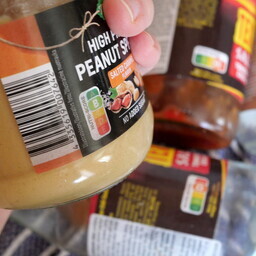
Nutri-Score is a visual labeling system that shows the healthiness of products.
Nutri-Score uses five colors: green (A) is the healthiest, red (E) is less healthy.
This system helps quickly choose a healthier product within the same category in the store.
Nutri-Score is used in France, Belgium, Germany, and other countries. Estonia is considering its implementation this autumn.
The labeling is voluntary. Manufacturers can use it to better present their products.
Nutri-Score always compares products of the same type. For example, sausage with sausage, not sausage with potato salad.
Nutri-Score simplifies decision-making. For example, when choosing breakfast cereals, you can see which one is healthier.
Nutri-Score works like an energy label for apartments. It simply shows how healthy a product is.
Green labeling means the product can be eaten daily. Red labeling means it should be eaten less often.
Nutri-Score calculates points for a product using an algorithm. More sugar, salt, and fat bring minus points. More vegetables and fiber bring plus points.
Nutri-Score doesn't say that products with a red label shouldn't be eaten at all. They can be for festive occasions.
Nutri-Score helps people choose healthier products, which may help with weight loss.
Traditional food isn't always healthy. For example, black bread may contain a lot of sugar.
Nutri-Score is one method for people to make better food choices. It's not perfect, but it helps.