
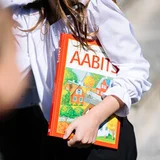
Eestis läheb tänavu esimesse klassi umbes 14 700 last. Kõikides koolides õpib kokku ligi 160 000 õpilast. Ka
kutseõppes on üle 26 000 õpilase
. Üliõpilasi on üle 47 000.
kutseõppes on üle 26 000 õpilase
Tõlge fraasile: kutseõppes on üle 26 000 õpilase
EN
there are over 26,000 students in vocational training
Tallinnas õpib umbes 45 700 õpilast
. Esimesse klassi läheb umbes 3600 last. Täpsed numbrid saavad selgeks 10. septembril. Tallinnas on 60 kooli ja üks ametikool. Lasteaedades õpib alla 17 000 lapse. Tallinnas on 115 lasteaeda.
Tallinnas õpib umbes 45 700 õpilast
Tõlge fraasile: Tallinnas õpib umbes 45 700 õpilast
EN
there are about 45,700 pupils studying in Tallinn
Märjamaa vald sai Koolirahu tiitli
. See tähendab, et nende
koolid on sõbralikud ja turvalised
. Kuus kooli töötavad koos, et hoida koolid headena.
Märjamaa vald sai Koolirahu tiitli
Tõlge fraasile: Märjamaa vald sai Koolirahu tiitli
EN
Märjamaa municipality received the School Peace title
koolid on sõbralikud ja turvalised
Tõlge fraasile: koolid on sõbralikud ja turvalised
EN
schools are friendly and safe
Haridusminister Kristina Kallas ütles, et
1. september on eriline päev
. Paljud inimesed
alustavad midagi uut
. Lapsed lähevad kooli, õpetajad alustavad tööd. Lapsevanemad avastavad, et nad ei mäleta kõike, mida nad koolis õppisid.
1. september on eriline päev
Tõlge fraasile: 1. september on eriline päev
EN
September 1 is a special day
alustavad midagi uut
Tõlge fraasile: alustavad midagi uut
EN
starting something new
Minister ütles, et tänapäeval teab arvuti palju. Aga inimese mõtlemine on siiski väga tähtis. Oluline on osata mõelda ise. Ka siis, kui masinad eksivad. Oluline on ka teist inimest mõista. Minister soovib, et koolis
õpitaks uudishimuga
. Ta soovib ka väikest ulakust mõtlemises.
õpitaks uudishimuga
Tõlge fraasile: õpitaks uudishimuga
EN
learn with curiosity
Õpetajatele soovib minister loovust ja kannatust. Mõnikord õpitakse parimad asjad siis, kui koolitund läheb teist teed.
This year, about 14,700 children will start first grade in Estonia. In total, nearly 160,000 pupils attend schools across the country. Vocational education has over 26,000 students, and there are more than 47,000 university students.
In Tallinn, about 45,700 pupils are studying. Around 3,600 children will enter first grade. The exact numbers will be clear by September 10. Tallinn has 60 schools and one vocational school. Kindergartens serve fewer than 17,000 children. There are 115 kindergartens in the city.
Märjamaa municipality received the School Peace title, meaning their schools are friendly and safe. Six schools work together to keep the schools in good condition.
Education Minister Kristina Kallas said that September 1 is a special day. Many people start something new—children go to school, and teachers begin their work. Parents discover they don’t remember everything they learned in school.
The minister noted that computers know a lot today, but human thinking remains very important. It’s essential to think independently, even when machines make mistakes. Understanding others is also crucial. The minister wishes for learning with curiosity and even a bit of bold thinking.
For teachers, the minister wishes creativity and patience. Sometimes the best lessons happen when the classroom takes a different path.