
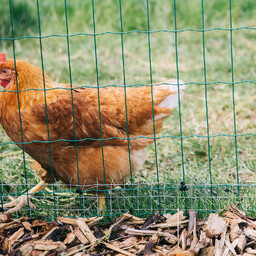
In Aruküla, Harju County, a sick fox was caught. The fox was found to have the avian flu virus H5N1. In Viimsi, the same virus was found in chickens. All the chickens died.
The head of the Agriculture and Food Board, Olev Kalda, said that the virus is present in nature and in households. He recommended following biosecurity requirements to reduce the risk of infection.
Kalda explained that avian flu spreads through infected birds. The virus can also spread through contaminated feed or objects. Waterfowl may not show visible signs of illness but can carry the virus. Contact between domestic birds and wild or waterfowl should be avoided.
There have been no cases of human infection in the European Union. The spread of avian flu to humans is rare. The risk of infection is low, especially for those who work with birds and animals.
To prevent diseases, the use of protective equipment is recommended. Dead or sick animals should not be touched. Pets should not be fed raw meat from birds.
In areas where avian flu is spreading, dogs should be kept on a leash and cats indoors. The Agriculture and Food Board monitors the spread of the disease and informs bird keepers.
If you find dead waterfowl or birds of prey, report it via the web application linnugripp.ee or call the info line at +372 605 4767. Birds should not be collected or transported.
The fox infection is the second case in Estonia. Previously, avian flu was found on Hiiumaa in 2021. The virus has also been found in foxes and other animals in Latvia and Finland.
Avian flu has also been diagnosed in cats, dogs, and sheep in Poland, Italy, Norway, and the UK.