
Harjumaal Arukülas püüti kinni
haige rebane
. Rebasel leiti
lindude gripi viirus H5N1
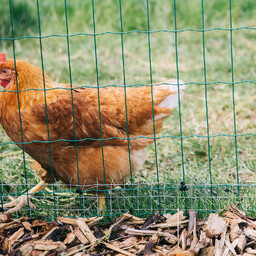
. Viimsis leiti sama viirus kanadel. Kõik kanad hukkusid.
haige rebane
Tõlge fraasile: haige rebane
EN
sick fox
lindude gripi viirus H5N1
Tõlge fraasile: lindude gripi viirus H5N1
EN
avian flu virus H5N1
Põllumajandus- ja toiduameti juhataja Olev Kalda ütles, et viirus on looduses ja majapidamistes. Ta soovitas järgida bioturvalisuse nõudeid, et vähendada
nakatumise oht
u.
nakatumise oht
Tõlge fraasile: nakatumise oht
EN
risk of infection
Kalda selgitas, et lindude gripp levib nakatunud lindude kaudu. Viirus võib levida ka saastunud sööda või esemete kaudu. Veelindudel ei pruugi haigus nähtav olla, kuid nad võivad viiruse edasi kanda. Kodulindude kokkupuue mets- ja veelindudega tuleks vältida.
Euroopa Liidus ei ole inimeste nakatumise juhtumeid. Lindude gripi levik inimestele on haruldane. Nakatumise risk on madal, eriti neil, kes töötavad lindude ja loomadega.
Haiguste ennetamiseks soovitatakse kasutada kaitsevahendeid. Surnud või haigeid loomi ei tohi puudutada. Lemmikloomadele ei tohi anda lindudelt pärinevat
toorest liha
.
toorest liha
Tõlge fraasile: toorest liha
EN
raw meat
Linnugripi leviku piirkondades tuleb
hoida koerad rihma otsas
ja kassid toas. PTA jälgib haiguse levikut ja teavitab linnupidajaid.
hoida koerad rihma otsas
Tõlge fraasile: hoida koerad rihma otsas
EN
keep dogs on a leash
Kui leiad hukkunud veelinde või röövlindu,
teata sellest veebirakenduses
linnugripp.ee või helista infotelefonile +372 605 4767. Linde ei tohi koguda ega transportida.
teata sellest veebirakenduses
Tõlge fraasile: teata sellest veebirakenduses
EN
report it via the web application
Rebase nakatumine on teine juhtum Eestis. Varasemalt leiti lindude gripp Hiiumaalt 2021. aastal. Lätis ja Soomes on ka leitud viirus rebastel ja teistel loomadel.
Lindude grippi on diagnoositud ka kassidel, koertel ja lammastel Poolas, Itaalias, Norras ja Suurbritannias.
In Aruküla, Harju County, a sick fox was caught. The fox was found to have the avian flu virus H5N1. In Viimsi, the same virus was found in chickens. All the chickens died.
The head of the Agriculture and Food Board, Olev Kalda, said that the virus is present in nature and in households. He recommended following biosecurity requirements to reduce the risk of infection.
Kalda explained that avian flu spreads through infected birds. The virus can also spread through contaminated feed or objects. Waterfowl may not show visible signs of illness but can carry the virus. Contact between domestic birds and wild or waterfowl should be avoided.
There have been no cases of human infection in the European Union. The spread of avian flu to humans is rare. The risk of infection is low, especially for those who work with birds and animals.
To prevent diseases, the use of protective equipment is recommended. Dead or sick animals should not be touched. Pets should not be fed raw meat from birds.
In areas where avian flu is spreading, dogs should be kept on a leash and cats indoors. The Agriculture and Food Board monitors the spread of the disease and informs bird keepers.
If you find dead waterfowl or birds of prey, report it via the web application linnugripp.ee or call the info line at +372 605 4767. Birds should not be collected or transported.
The fox infection is the second case in Estonia. Previously, avian flu was found on Hiiumaa in 2021. The virus has also been found in foxes and other animals in Latvia and Finland.
Avian flu has also been diagnosed in cats, dogs, and sheep in Poland, Italy, Norway, and the UK.