
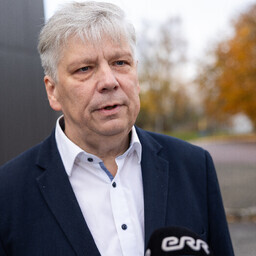
Siim Kiisler, deputy chairman of the right-wing party, says that the current minimum wage system makes it difficult to find work. He believes that this system harms most those who need help the most.
Kiisler says that the minimum wage requirement prevents employers from hiring people whose skills do not allow them to pay that much. This rule particularly disadvantages those with less experience or lower work capacity.
If Estonia did not have a minimum wage requirement, more people would find jobs. This would mean that more people would pay taxes and there would be less undeclared work. Society would also be richer.
Kiisler emphasizes that the minimum wage system does not account for differences. For example, in Tallinn and in rural areas, the same requirement applies. The system also does not consider whether the worker is young or a pensioner who wants to earn a bit extra.
Kiisler says that people should have the right to agree on wages and working conditions themselves. The state should not interfere.
Employers' unions want the minimum wage to increase by 5.1%. Trade unions, however, want an 11.8% increase. Since they did not reach an agreement, their dispute with the national mediator will continue.