
Tallinna linnapea Peeter Raudsepp ütles, et arhitektuurivõistlused on linnale liiga kallid. Ta tahab rohkem
kasutada standardlahendusi
. Ta ütleb, et nii saab raha kokku hoida ja teha rohkem objekte.
kasutada standardlahendusi
Tõlge fraasile: kasutada standardlahendusi
EN
use standard solutions
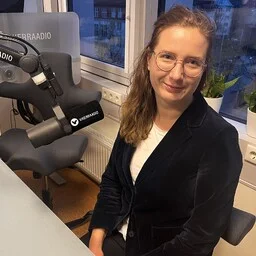
Aet Ader ütleb, et see on halb sõnum linnakodanikele. Ta arvab, et
kodanikud vääriksid parimaid lahendusi
. Arhitektuurivõistlused on head, sest
erasektor kasutab neid vabatahtlikult
. Nad näevad, et see
annab parima tulemuse
.
kodanikud vääriksid parimaid lahendusi
Tõlge fraasile: kodanikud vääriksid parimaid lahendusi
EN
citizens deserve the best solutions
erasektor kasutab neid vabatahtlikult
Tõlge fraasile: erasektor kasutab neid vabatahtlikult
EN
private sector uses them voluntarily
annab parima tulemuse
Tõlge fraasile: annab parima tulemuse
EN
gives the best result
Ader ütleb, et Raudsepal on valed arvamused. Esiteks,
tüüpprojekte teevad ka arhitektid
. Teiseks, arhitektuurivõistlused ei ole liiga kallid. Need aitavad
leida parima lahenduse
.
tüüpprojekte teevad ka arhitektid
Tõlge fraasile: tüüpprojekte teevad ka arhitektid
EN
standard projects are also made by architects
leida parima lahenduse
Tõlge fraasile: leida parima lahenduse
EN
find the best solution
Ader selgitab, et arhitektuurivõistlusi tehakse oluliste avalike objektide jaoks. Kui
kasutatakse avalikku raha
, peab see olema kvaliteetne ja odav. Võistlus aitab seda saavutada.
kasutatakse avalikku raha
Tõlge fraasile: kasutatakse avalikku raha
EN
public money is used
Ader ütleb, et arhitektuurivõistlus ei tee projekti kallimaks. Hind on fikseeritud. Kui eelarve ületatakse, tehakse muudatusi. Näiteks muudetakse ehitusmaterjali.
Arhitektuurivõistlusel on selge eesmärk. Arhitektid pakuvad lahendusi ja žürii valib parima. See aitab vältida hilisemaid probleeme. Võistlus võtab aega, kuid see ei tee protsessi pikemaks.
Euroopas kasutatakse arhitektuurivõistlusi laialdaselt. Nende kulu on umbes 0,7% ehitusmaksumusest. See
tasub end ära
, sest aitab vältida vigu ja säästab raha.
tasub end ära
Tõlge fraasile: tasub end ära
EN
pays off
Ader ütleb, et standardlahendused ei ole alati halvad. Näiteks lasteaedade puhul võib olla hea leida üks hea lahendus. Kui teha liiga palju ühesuguseid hooneid, ei pruugi see alati toimida.
Tallinnas on probleem, et erinevad ametid ei tööta koos. Linnavaraamet, linnaplaneerimise amet ja poliitikud peavad paremini koostööd tegema. Eeltöö peab olema selge, et linn teaks, mida ta tellib.
Disainisprindis leiti, et ametid peavad rohkem koostööd tegema. Oluliste avalike objektide puhul peaks kasutama arhitektuurivõistlusi. Vähem tähtsate objektide puhul ei pea seda alati tegema.
Tallinn mayor Peeter Raudsepp said that architectural competitions are too expensive for the city. He wants to use more standard solutions. He says that this way money can be saved and more projects can be completed.
Aet Ader says that this is a bad message for the city's citizens. She believes that citizens deserve the best solutions. Architectural competitions are good because the private sector uses them voluntarily. They see that it yields the best results.
Ader says that Raudsepp has wrong opinions. First, architects also create standard projects. Second, architectural competitions are not too expensive. They help find the best solution.
Ader explains that architectural competitions are held for important public projects. When public money is used, it must be of high quality and inexpensive. Competitions help achieve this.
Ader says that architectural competitions do not make projects more expensive. The price is fixed. If the budget is exceeded, changes are made. For example, construction materials are changed.
An architectural competition has a clear goal. Architects offer solutions and the jury selects the best one. This helps avoid future problems. Competitions take time, but they do not make the process longer.
In Europe, architectural competitions are widely used. Their cost is about 0.7% of construction expenses. They pay for themselves because they help avoid mistakes and save money.
Ader says that standard solutions are not always bad. For example, for kindergartens it may be good to find one good solution. If too many identical buildings are made, it may not always work.
In Tallinn, there is a problem that different departments do not work together. The City Property Department, the City Planning Department, and politicians must cooperate better. Preliminary work must be clear so that the city knows what it is ordering.
Design Sprint found that departments need to cooperate more. For important public projects, architectural competitions should be used. For less important projects, this is not always necessary.