
Rinnavähk on naiste seas levinuim vähitüüp
.
Rinnavähk on naiste seas levinuim vähitüüp
Tõlge fraasile: Rinnavähk on naiste seas levinuim vähitüüp
EN
Breast cancer is the most common type of cancer among women
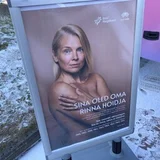
Esimesed 1250 40-aastast naist on saanud kutse sõeluuringule. Selleks tuleb alla kirjutada nõusolek geeniandmete kasutamiseks. Ingrid Kuusik oli üks esimesi, kes nõustus.
Kuusik ütles: „
Ärge kartke
. See annab teadlikud valikud teha.“
Ärge kartke
Tõlge fraasile: Ärge kartke
EN
Do not be afraid
Tervisekassa arvates võib kõrgema riskiga olla kuni 15% naistest. Aga arstid ütlevad, et pole tarvis paanikaks. Tiina Kahre seletas: „See ei tähenda, et saadakse rinnavähki.
Naised saavad nüüd kontrollile minna
. Me ei enneta haigust, aga leiame selle varem.“
Naised saavad nüüd kontrollile minna
Tõlge fraasile: Naised saavad nüüd kontrollile minna
EN
Women can now go for a check-up
Nooremas eas on vähivormid agressiivsemad. Kõrgema riskiskooriga naised suunatakse mammograafiasse. Onkoloog Vahur Valvere ütles: „Me leiame esimese staadiumi rinnavähki, kui haigus pole veel levima hakanud. Selles staadiumi saab naisi terveks ravida.“
Uuring on tasuta
. Esimese kahe aasta testimine maksab ligi 1,9 miljonit eurot.
Uuring on tasuta
Tõlge fraasile: Uuring on tasuta
EN
The study is free of charge
Liis Kruus rääkis: „Me laiendame sõeluuringut järgmisel aastal 1987. aastal sündinud naistele. Me töötame ka teiste vähipaikmete geeniriski hindamise kallal.“
Tulevikus lisatakse riskimudelisse pärilikud geenimutatsioonid ja elustiili näitajad.
Esimesed tulemused saadakse paari kuu jooksul
.
Esimesed tulemused saadakse paari kuu jooksul
Tõlge fraasile: Esimesed tulemused saadakse paari kuu jooksul
EN
The first results will be available in a couple of months
Breast cancer is the most common type of cancer among women.
The first 1,250 women aged 40 have been invited for screening. This requires signing a consent form for the use of genetic data. Ingrid Kuusik was one of the first to agree.
Kuusik said: "Don't be afraid. It allows you to make informed choices."
According to the Health Insurance Fund, up to 15% of women may be at higher risk. But doctors say there is no need to panic. Tiina Kahre explained: "This does not mean that breast cancer will be diagnosed. Women can now go for check-ups. We are not predicting the disease, but we are detecting it earlier."
Cancer forms in younger ages are more aggressive. Women with higher risk scores are referred to mammography. Oncologist Vahur Valvere said: "We are detecting breast cancer at the first stage, when the disease has not yet spread. At this stage, women can be cured."
The study is free of charge. The first two years of testing cost nearly 1.9 million euros.
Liis Kruus said: "We are expanding the screening next year to women born in 1987. We are also working on assessing genetic risks for other cancer sites."
In the future, hereditary gene mutations and lifestyle indicators will be added to the risk model. The first results will be available within a couple of months.