
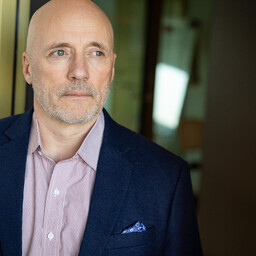
Ilmar Raag ütleb, et me kirjeldame Eestit alati mineviku poole vaadates. Me otsime kuldaega, mida tahaksime tagasi. Aga me
peaksime keskenduma tulevikule
,
mida saame muuta
.
peaksime keskenduma tulevikule
Tõlge fraasile: peaksime keskenduma tulevikule
EN
we should focus on the future
mida saame muuta
Tõlge fraasile: mida saame muuta
EN
what we can change
Praegu on õues kevad. See tuletab meile, et
läheneb vabariigi aastapäev
. Raag küsib, mida see tähendab. Ta ütleb, et paljudele tähendab see
kiluvõileiba söömist
. See on pidulik sündmus, kus olukord on tähtsam kui võileiva maitse.
läheneb vabariigi aastapäev
Tõlge fraasile: läheneb vabariigi aastapäev
EN
the anniversary of the republic is approaching
kiluvõileiba söömist
Tõlge fraasile: kiluvõileiba söömist
EN
eating a sprat sandwich
Eestis on vähe päevi, mil inimesed
ärkavad naeratuse näol
. Näiteks laulupidu, jõulud ja vabariigi aastapäev. Raag meenutab, et aastapäeva paraad on alati olnud populaarne. Inimesed vaatavad, kuidas poliitikud kätlevad üksteist. See on nagu rituaal.
ärkavad naeratuse näol
Tõlge fraasile: ärkavad naeratuse näol
EN
wake up with a smile
Raag ütleb, et ta ei läinud kunagi aastapäeva vastuvõtule. Ta ei tahtnud osaleda show's, kus inimesed vaatavad, kes mida kannab. Talle tundus see madaldav. Aga ta mõistab, et see on meie
rahvuslik hobi
.
rahvuslik hobi
Tõlge fraasile: rahvuslik hobi
EN
national hobby
Paraadil näeb, kuidas Eesti on arenenud. Raag meenutab, kui Eesti kaitsevägi esimest korda soomukeid näitas. Inimesed olid vait. See näitas, et
Eestil on väike muskel
. Me ei ole suurjõud, aga me tahame Eestit kaitsta.
Eestil on väike muskel
Tõlge fraasile: Eestil on väike muskel
EN
Estonia has a small muscle
Raag räägib ka sellest, miks Eestit kaitsma peaks. See ei ole valitsuse kaitsmine, vaid
oma pere ja kodumaa kaitsmine
. Kui vaenlane tuleb, siis pead kaitsma oma lähedasi.
oma pere ja kodumaa kaitsmine
Tõlge fraasile: oma pere ja kodumaa kaitsmine
EN
protecting one's family and homeland
Raag küsib, millest president peaks oma kõnes rääkima. Ta ütleb, et
kõned võivad olla igavad
, kui need on liiga üldised. Parem on keskenduda ühele teemale ja seda sügavalt käsitleda.
kõned võivad olla igavad
Tõlge fraasile: kõned võivad olla igavad
EN
speeches can be boring
Raag arutleb, miks me räägime minevikust. Ta ütleb, et me otsime kuldaega, mis ei tule tagasi. Aga tulevik on teistsugune. Me peame aktsepteerima muutusi, nagu linnade kasv või vähene sündimus. Me peame keskenduma sellele,
mida saame muuta
.
mida saame muuta
Tõlge fraasile: mida saame muuta
EN
what we can change
Raag räägib ka virtuaalmaailmast. Ta ütleb, et see on meie ümber ja muudab suhteid. Inimesed on rohkem ühenduses, aga ka üksildamad. Ta toob näite Ukrainast, kus inimesed said kokku, et vastu seista.
Raag ütleb, et
meedia on muutunud
. Enne olid ühised teemad, nagu telesaated. Nüüd on kõik killustunud. Inimesed elavad oma mullis ja ei näe teisi. See suurendab umbusku.
meedia on muutunud
Tõlge fraasile: meedia on muutunud
EN
the media has changed
Raag lõpetab, et me peame leidma viise, kuidas üksteist paremini mõista. Me peame rääkima ja kuulama. Ainult nii saame
ühiskonnas kokku leppida
.
ühiskonnas kokku leppida
Tõlge fraasile: ühiskonnas kokku leppida
EN
to agree in society
Ilmar Raag says that we always describe Estonia by looking to the past. We search for a golden age we wish to return to. But we should focus on the future, which we can change.
It is currently spring outside. This reminds us that the anniversary of the republic is approaching. Raag asks what this means. He says that for many, it means eating sprat sandwiches. It is a ceremonial event where the occasion is more important than the taste of the sandwich.
In Estonia, there are few days when people wake up with a smile on their faces. For example, the Song Festival, Christmas, and the anniversary of the republic. Raag recalls that the anniversary parade has always been popular. People watch as politicians shake hands with each other. It is like a ritual.
Raag says he never attended the anniversary reception. He did not want to participate in a show where people watch what others are wearing. It seemed demeaning to him. But he understands that it is our national hobby.
At the parade, one can see how Estonia has developed. Raag recalls when the Estonian Defense Forces first showed armored vehicles. People were silent. It showed that Estonia has a small muscle. We are not a superpower, but we want to defend Estonia.
Raag also talks about why Estonia should be defended. It is not about defending the government but about defending one's family and homeland. If an enemy comes, you must defend your loved ones.
Raag asks what the president should talk about in his speech. He says speeches can be boring if they are too general. It is better to focus on one theme and explore it deeply.
Raag reflects on why we talk about the past. He says we search for a golden age that will not return. But the future is different. We must accept changes, such as urban growth or declining birth rates. We must focus on what we can change.
Raag also talks about the virtual world. He says it is all around us and is changing relationships. People are more connected but also lonelier. He gives the example of Ukraine, where people came together to resist.
Raag says the media has changed. Before, there were common topics, like TV shows. Now, everything is fragmented. People live in their own bubbles and do not see others. This increases distrust.
Raag concludes that we must find ways to understand each other better. We must talk and listen. Only then can we reach an agreement in society.