
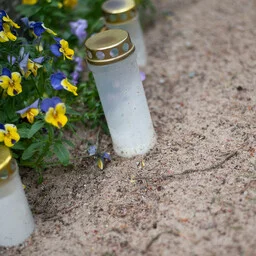
Marju Kõivupuu ütleb, et
matused ja kalmistutraditsioonid on ajaga muutunud
. Nõukogude ajal lõppenud religioossete kommetega on
matused muutunud teenuseks
. Tarko Tuisk leiab, et
inimeste elu kiirus ja areng on viinud nad surmast eemale
.
matused ja kalmistutraditsioonid on ajaga muutunud
Tõlge fraasile: matused ja kalmistutraditsioonid on ajaga muutunud
EN
funerals and cemetery traditions have changed over time
matused muutunud teenuseks
Tõlge fraasile: matused muutunud teenuseks
EN
funerals have become a service
inimeste elu kiirus ja areng on viinud nad surmast eemale
Tõlge fraasile: inimeste elu kiirus ja areng on viinud nad surmast eemale
EN
the speed and development of people's lives have moved them away from death
Tarku Tuisk ütleb, et
vanasti saadeti lahkunuid kodus ära
. Tänapäeval ostavad inimesed teenuseid, sest
surm tekitab ebamugavust
. Tuisk näeb siin probleemi, kus ühiskond surma ei tunnista.
vanasti saadeti lahkunuid kodus ära
Tõlge fraasile: vanasti saadeti lahkunuid kodus ära
EN
in the past, the deceased were sent off at home
surm tekitab ebamugavust
Tõlge fraasile: surm tekitab ebamugavust
EN
death creates discomfort
Meditsiini areng ja peresidemete nõrgenemine on viinud surmast veelgi kaugemale. Eakad ja haiged inimesed viibivad sageli hooldekodudes või haiglates.
Matused ei pruugi enam perekondi kokku tuua. Marju Kõivupuu ütleb, et paljud noored ei ole näinud matuserongkäike.
Inimesed eelistavad üha rohkem elujaatavaid matuseid. Näiteks võib matusel olla tantsija või mängida armastatud muusikat. Leinajad soovivad tähistada lahkunu elu positiivselt.
Marju Kõivupuu ütleb, et klassikaline
muusika on sageli seotud surmaga
. Kuid matused on muutumas ja inimesed ei pea olema nii tõsised.
muusika on sageli seotud surmaga
Tõlge fraasile: muusika on sageli seotud surmaga
EN
music is often associated with death
Linnastumine ja kiire elu mõjutavad ka hauahooldust. Keskmiselt käivad eestlased haual vaid korra või kaks aastas.
Inimesed valivad üha rohkem puumatuseid ja mälestusparke. Puu istutamine sümboliseerib looduse eluringi ja ei vaja pidevat hooldust.
Marju Kõivupuu ütleb, et
lastega tuleks rääkida surmast loomulikult
. Praktilised tegevused, nagu lillede kastmine, aitavad lastel mõista elu ja surma.
lastega tuleks rääkida surmast loomulikult
Tõlge fraasile: lastega tuleks rääkida surmast loomulikult
EN
talking about death with children should be natural
Tarko Tuisk ja Marju Kõivupuu soovitavad, et
kalmistu külastamine ja mälestamine muutuks pere traditsiooniks
. Lapsed õpivad paremini, kui nad saavad osaleda.
kalmistu külastamine ja mälestamine muutuks pere traditsiooniks
Tõlge fraasile: kalmistu külastamine ja mälestamine muutuks pere traditsiooniks
EN
visiting the cemetery and remembering should become a family tradition
Marju Kõivupuu says that funerals and cemetery traditions have changed over time. With the end of religious customs during the Soviet era, funerals have become a service. Tarko Tuisk finds that the speed of life and development have distanced people from death.
Tarku Tuisk says that in the past, the deceased were sent off at home. Today, people buy services because death creates discomfort. Tuisk sees a problem here where society does not acknowledge death.
Medical advancements and the weakening of family ties have further distanced people from death. Elderly and sick people often reside in care homes or hospitals.
Funerals may no longer bring families together. Marju Kõivupuu says that many young people have not seen funeral processions.
People increasingly prefer life-affirming funerals. For example, a funeral may have a dancer or play favorite music. Mourners want to celebrate the deceased's life positively.
Marju Kõivupuu says that classical music is often associated with death. But funerals are changing, and people don't have to be so serious.
Urbanization and the fast pace of life also affect grave maintenance. On average, Estonians visit a grave only once or twice a year.
People are increasingly choosing tree funerals and memorial parks. Planting a tree symbolizes the cycle of nature and does not require constant maintenance.
Marju Kõivupuu says that children should be talked to about death naturally. Practical activities, such as watering flowers, help children understand life and death.
Tarko Tuisk and Marju Kõivupuu recommend that cemetery visits and remembrance become a family tradition. Children learn better when they can participate.