
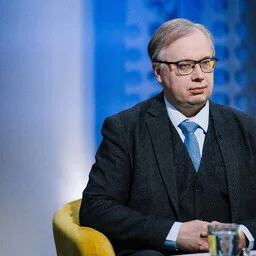
Peeter Luikmel is an economist at the Bank of Estonia. He talks about Russia's economy.
The war has become costly for Russia. It creates many problems. One problem is the labor shortage. Russia has few workers. This makes economic growth more difficult.
The Central Bank of Russia is concerned about inflation. Inflation has been high for years. The Central Bank lowered the interest rate from 21% to 15%.
Many workers have left Russia. They go to study or for other reasons. Mobilization creates pressure on young people. Many students stay abroad. This does not help the economy.
The service sector has a significant labor shortage. Many jobs are filled by minors. Low-paying jobs are hard to fill. Wages are rising quickly.
The construction sector also has problems. Loan interest rates make work more difficult. Labor shortages and high interest rates hinder work.
The oil market is good for Russia. Russia sells oil at a high price, especially to China. Sanctions are not working well. Russia always finds buyers.
Russia's economic problems affect ordinary people. Prices are rising and life is becoming harder. Many have no jobs or have died in the war. This hinders economic growth.
The International Monetary Fund says that Russia's economy is growing by 1.1%. This is a small growth. The oil price is high, but other factors hinder growth.