
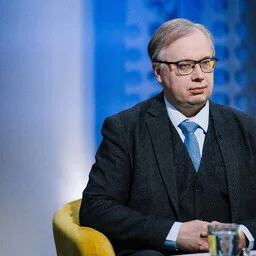
Luikmel: Venemaal valitseb suur tööjõupuudus, mis pärsib majandust

Luikmel: Venemaal valitseb suur tööjõupuudus, mis pärsib majandust

EN

Luikmel: Russia Faces Major Labor Shortage Hindering Economy

Peeter Luikmel on Eesti Panga ökonomist. Ta vaatab Venemaa majandust. Kas seal on olukord nii halb, nagu Putin ütles? Või on tegelikult veelgi hullem?
EN

Peeter Luikmel is an economist at the Bank of Estonia. He is analyzing the Russian economy. Is the situation as bad as Putin says? Or is it actually even worse?

Sõda on Venemaale väga kallis. Sellel on mitu negatiivset mõju. Üks neist on . Venemaal on tööturg väga pinges. Töötajate puudumine ja pärsivad majanduse kasvu.
EN

The war is very costly for Russia. It has several negative effects. One of them is a labor shortage. The labor market in Russia is under significant pressure. The absence of workers and rapidly rising costs hinder economic growth.

Venemaa keskpank on mures i pärast. Inflatsioon on olnud kõrge juba mitu aastat. Keskpank on langetanud intressimäära 21 protsendilt 15-le. Kuid e tõttu peab keskpank piirama majanduse laienemist.
EN

The Central Bank of Russia is concerned about inflation. Inflation has been high for several years. The central bank has lowered the interest rate from 21% to 15%. However, due to the labor shortage, the central bank must limit economic expansion.

Paljud tööinimesed on Venemaalt lahkunud. Nad lähevad õppima või muudel põhjustel. Mobilisatsioon toob kaasa psühholoogilise survet noortele inimestele. Paljud tudengid jäävad välismaale pikemaks ajaks. See ei aita majandusele.
EN

Many workers have left Russia. They go to study or for other reasons. Mobilization brings psychological pressure on young people. Many students stay abroad for extended periods. This does not help the economy.

Teenindussektoril on suur . Paljud töökohad täituvad alaealistega. Madalapalgalised töökohad on kõige keerulisem täita. Seetõttu on palgad kiiresti tõusnud.
EN

The service sector faces a significant labor shortage. Many positions are filled by minors. Low-wage jobs are the hardest to fill. Therefore, wages have risen quickly.

Ehitussektoril on samuti probleeme. Laenuintressid mõjutavad seda valdkonda tugevalt. Tööjõupuudus ja kõrged intressimäärad pärsivad tööd.
EN

The construction sector also has problems. Loan interest rates strongly affect this sector. Labor shortages and high-interest rates hinder work.

Hetkel on Venemaale soodne. Venemaa müüb naftat kõrge hinnaga, eriti Hiinale. Sanktsioonid ei ole väga efektiivsed. Venemaa leiab alati ostjaid oma naftale.
EN

The oil market is currently favorable for Russia. Russia sells oil at high prices, especially to China. Sanctions are not very effective. Russia always finds buyers for its oil.

Venemaa majanduse probleemid mõjutavad ka tavainimesi. ja inimeste elu muutub raskemaks. Paljudel ei ole tööd või nad on sõjas hukkunud. See pärsib majanduse edasist kasvu.
EN

The problems of the Russian economy also affect ordinary people. Prices are rising, and people's lives are becoming harder. Many do not have jobs or have died in the war. This hinders further economic growth.

Rahvusvaheline Valuutafond prognoosib, et Venemaa majandus kasvab 1,1 protsenti. Kuid see kasv on väike võrreldes eelmiste aastatega. Nafta hind on küll kõrge, kuid muud tegurid pärsivad kasvu.
EN

The International Monetary Fund predicts that the Russian economy will grow by 1.1%. However, this growth is small compared to previous years. The price of oil is high, but other factors hinder growth.