
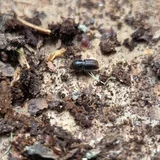
Kuuse-kooreüraskite arvukus
t jälgivad
Keskkonnaagentuur
ja
Riigimetsa Majandamise Keskus
. Mõnes Lõuna-Eesti maakonnas jälgib seda ka
Eesti Maaülikool
. Nende andmed näitavad, et viimase kahe aasta jooksul on üraskite arvukus langenud.
Kuuse-kooreüraskite arvukus
Tõlge fraasile: Kuuse-kooreüraskite arvukus
EN
Population of spruce bark beetles
Keskkonnaagentuur
Tõlge fraasile: Keskkonnaagentuur
EN
Environmental Agency
Riigimetsa Majandamise Keskus
Tõlge fraasile: Riigimetsa Majandamise Keskus
EN
State Forest Management Centre
Eesti Maaülikool
Tõlge fraasile: Eesti Maaülikool
EN
Estonian University of Life Sciences
Keskkonnaagentuur
i spetsialist Merit Ehrpais ütleb, et 2022. aastal oli üraskite arvukus väga kõrge. 2023. aastal jäi see samuti kõrgele, kuid mõnes maakonnas hakkas arvukus vähenema. 2024. aastal oli langus selgem ja 2025. aastal oli arvukus veelgi väiksem.
Keskkonnaagentuur
Tõlge fraasile: Keskkonnaagentuur
EN
Environmental Agency
Eesti Maaülikool
i teadur Kristjan Ait lisab, et ka tänavu on üraskite püüginumbrid kesised. Üks põhjus on Eesti suveilmad. Möödunud aastal oli suvi jahe ja vihmane, mis aitas arvukust vähendada. Ka tänavu oli kevad jahe ja vihmane, mis mõjutas üraskite arvukust.
Eesti Maaülikool
Tõlge fraasile: Eesti Maaülikool
EN
Estonian University of Life Sciences
Feromoonpüünistest saadud tulemused näitavad, et jahedam, niiskem ja tuulisem ilm vähendab üraskite arvukust. Soojematel perioodidel on arvukus taas kõrgem.
Lisaks on viimastel aastatel kasvanud üraskite looduslike vaenlaste arvukus. Nendeks on näiteks üraskikärbsed, sipelgmardikad ja linnud. Nad aitavad üraskite arvukust piirata.
Erametsaliidu esimees Meelis Matkamäe ütleb, et viimased kaks aastat on majandatud metsades olnud hea olukord. Kuuse-kooreürask elab tavaliselt
nõrgestatud puudes
. Hooldatud metsades on raskem üraskitel elada.
nõrgestatud puudes
Tõlge fraasile: nõrgestatud puudes
EN
weakened trees
Kristjan Ait räägib, et majandusmetsades ja
segapuistutes
on üraskitel halvemad tingimused paljunemiseks. Tulevikus on raske ennustada, kuidas üraskite arvukus muutub. Looduses on palju muutujaid, mis võivad olukorda muuta.
segapuistutes
Tõlge fraasile: segapuistutes
EN
in mixed forests
The population of spruce bark beetles is monitored by the Environmental Board and the State Forest Management Centre. In some southern Estonian counties, it is also monitored by the Estonian University of Life Sciences. Their data shows that the population of beetles has decreased over the last two years.
Merit Ehrpais, a specialist at the Environmental Board, says that in 2022, the beetle population was very high. In 2023, it remained high, but in some counties, the population began to decrease. In 2024, the decline was more noticeable, and in 2025, the population was even smaller.
Kristjan Ait, a researcher at the Estonian University of Life Sciences, adds that this year's trapping numbers are also moderate. One reason is Estonia's summer weather. Last year, the summer was cool and rainy, which helped reduce the population. This year, the spring was also cool and rainy, affecting the beetle population.
Results from pheromone traps show that cooler, wetter, and windier weather reduces the beetle population. During warmer periods, the population increases again.
In addition, the number of natural enemies of the beetles has increased in recent years. These include bark beetle flies, rove beetles, and birds. They help limit the beetle population.
Meelis Matkamäe, chairman of the Private Forest Association, says that the last two years have been good for managed forests. The spruce bark beetle usually lives in weakened trees. In managed forests, it is harder for beetles to survive.
Kristjan Ait explains that beetles have worse conditions for reproduction in managed forests and mixed stands. In the future, it is difficult to predict how the beetle population will change. There are many variables in nature that can affect the situation.