
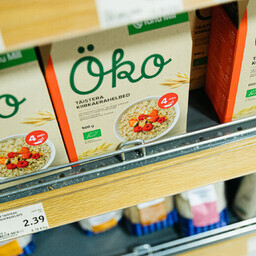
On September 27, a new directive will come into force in the European Union. This directive prohibits greenwashing if the packaging of products incorrectly states their environmental friendliness. When a person buys a product from a store whose packaging talks about its green nature, this information must be verified.
Merchants support this directive because consumers do not always know how to distinguish truth from falsehood. But the question is what to do with goods that are already in stores but do not have verified green claims. Merchants want existing products to be sold as usual. New products must comply with the new regulations.
Manufacturers may face increased costs because they need to verify the green claims of their products. This could lead to price increases for goods. Although no price increase can be precisely predicted, it is believed that manufacturers will have to pay more to verify green claims.
There is a risk that if no agreement is reached, some goods may end up in landfills. At the moment, it is not entirely clear which claims fall under the directive. For example, whether a green color on packaging or an animal image is considered a green claim.
Merchants and authorities are not yet fully aware of how the directive works. Small manufacturers may find it difficult to follow the new regulations, but they must also comply. The Consumer Protection and Technical Supervision Authority will begin to more thoroughly address these regulations.
The simplest solution would be to write on the packaging that the product is not actually green. But merchants cannot add this to the packaging themselves. This could lead to conflicts with manufacturers and increase the price of goods.
Therefore, it cannot be ruled out that some products will have to be removed from sale and sent for recycling. Such a solution seems absurd, but if the state takes too strict a position, it may happen.