
Riigikontrolli uus aruanne näitab
, et Eesti inimestel on
tervishoiukulude omaosalus liiga suur
. See on suurem kui
Euroopa keskmine
ja ka
WHO soovitatud 15 protsenti
. Selle probleemi lahendamiseks teeb Sotsiaalministeerium analüüsi. Analüüs peaks selgitama, kuidas omaosalust vajaduspõhiselt vähendada.
Riigikontrolli uus aruanne näitab
Tõlge fraasile: Riigikontrolli uus aruanne näitab
EN
The new report by the National Audit Office shows
tervishoiukulude omaosalus liiga suur
Tõlge fraasile: tervishoiukulude omaosalus liiga suur
EN
out-of-pocket healthcare costs are too high
Euroopa keskmine
Tõlge fraasile: Euroopa keskmine
EN
European average
WHO soovitatud 15 protsenti
Tõlge fraasile: WHO soovitatud 15 protsenti
EN
WHO-recommended 15 percent
Eestis on tervishoiukulud kasvanud
3,3 miljardi euroni. Patsiendid maksavad ise kinni 21 protsenti kuludest. Riigikontrolör Janar Holm ütleb, et
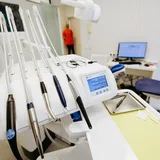
hambaravi on kõige kallim
. Ka õendus- ja hooldusabi ning ravimid on kallid.
Eestis on tervishoiukulud kasvanud
Tõlge fraasile: Eestis on tervishoiukulud kasvanud
EN
Healthcare costs in Estonia have increased
hambaravi on kõige kallim
Tõlge fraasile: hambaravi on kõige kallim
EN
dental care is the most expensive
Kui inimeste omaosalus kasvab, tähendab see Holmi sõnul, et tervemad inimesed saavad rohkem maksta. Kui tasakaal läheb paigast, läheb kogu süsteem kallimaks. Edasi lükatud ravi tähendab hilisemat ja kallimat ravi. Varem ravitud inimesed ei jää raskelt haigeks. Holm ütleb, et 21 protsent on juba liiga palju.
Sotsiaalministeeriumi asekantsler Anniki Lai ütleb, et eesmärk on vähendata omaosaluskoormust. See peaks takistama vajaliku ravi saamist. Ministeerium teeb analüüsi, mis peaks valmima järgmise aasta lõpuks. Analüüs vaatab leibkondade omaosaluskoormust.
WHO soovitatud 15-protsendilise omaosaluse saavutamine on Eestil veel kauge eesmärk. Lai ütleb, et hambaravi on üks suurema omaosalusega valdkondi. Riik maksab hambaravi eest vähe. Praegu ei ole võimalik omaosalust langetada. Eesti tervishoiukulud moodustasid eelmisel aastal ligikaudu kaheksa protsenti SKP-st. Euroopa liidu keskmine on 10 protsenti.
Praeguse süsteemi korral ei ole võimalik rahastada kõiki tervishoiuteenuseid. Holm ütleb, et raha hulk tervishoiuks on aastate jooksul kasvanud, kuid
kättesaadavus pole paranenud
. Näiteks eriarstiabis on rahastus viie aastaga kasvanud 70 protsenti. Kuid ravijuhte saab pakkuda kaheksa protsenti vähem.
kättesaadavus pole paranenud
Tõlge fraasile: kättesaadavus pole paranenud
EN
availability has not improved
The new report of the National Audit Office shows that Estonians' share of healthcare costs is too high. It is higher than the European average and also above the WHO recommended 15 percent. To solve this problem, the Ministry of Social Affairs is conducting an analysis. The analysis is expected to clarify how to reduce the share of out-of-pocket payments based on necessity.
In Estonia, healthcare costs have increased to 3.3 billion euros. Patients themselves pay 21 percent of the costs. National Auditor Janar Holm says that dental care is the most expensive. Nursing and care services, as well as medicines, are also costly.
If people's share of costs increases, Holm says, healthier people will have to pay more. If the balance is disrupted, the entire system becomes more expensive. Delayed treatment means later and more expensive treatment. People treated earlier do not become seriously ill. Holm says that 21 percent is already too much.
Anniki Lai, Deputy Chancellor of the Ministry of Social Affairs, says the goal is to reduce the burden of out-of-pocket payments. This should prevent access to necessary treatment. The ministry is conducting an analysis, which is expected to be completed by the end of next year. The analysis will look at the burden of out-of-pocket payments on households.
Achieving the WHO-recommended 15 percent share of out-of-pocket payments is still a distant goal for Estonia. Lai says that dental care is one of the areas with higher out-of-pocket payments. The state pays little for dental care. Currently, it is not possible to reduce out-of-pocket payments. Estonia's healthcare costs last year accounted for approximately eight percent of GDP. The European Union average is 10 percent.
Under the current system, it is not possible to fund all healthcare services. Holm says that the amount of money for healthcare has increased over the years, but accessibility has not improved. For example, funding for specialist care has increased by 70 percent over five years. However, treatment paths can be offered eight percent less.