
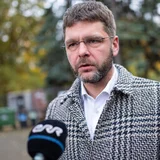
Jevgeni Ossinovski ütles, et
universaalne ravikindlustus
on vana idee. Eestis on aga eriline olukord, sest ligi 10% inimestel pole ravikindlustust. See ei sobi solidaarse tervishoiusüsteemi loogikaga.
universaalne ravikindlustus
Tõlge fraasile: universaalne ravikindlustus
EN
universal health insurance
Ossinovski ütles, et ravikindlustuse puudumine ei tähenda, et inimesed ei saa
arstiabi
. Kui inimene haigestub raskelt, siis ta saab ikkagi abi
kiirabi või erakorralise meditsiini kaudu
. Selline abi on aga riigile palju kallim.
arstiabi
Tõlge fraasile: arstiabi
EN
medical assistance
kiirabi või erakorralise meditsiini kaudu
Tõlge fraasile: kiirabi või erakorralise meditsiini kaudu
EN
through ambulance or emergency medicine
Universaalne ravikindlustus ei suurendaks riigi kulutusi oluliselt. Tervishoiu rahastusprobleemid tulevad demograafilisest muutumisest, sest
rahvas vananeb
ja meditsiin muutub kallimaks.
rahvas vananeb
Tõlge fraasile: rahvas vananeb
EN
the population is aging
Eesti solidaarne ravikindlustus põhineb kolmel põhimõttel: nooremad maksavad vanemate ravi eest, jõukamad maksavad vaesemate ravi eest ja terved maksavad haigete ravi eest.
Ossinovski arvates ei ole palju võimalusi
sotsiaalmaksu tõsta
. Võiks arutada, kas on õiglane, et mõned inimesed vältivad sotsiaalmaksu maksmist.
sotsiaalmaksu tõsta
Tõlge fraasile: sotsiaalmaksu tõsta
EN
increase the social tax
Kui tervishoid ei saa rohkem raha, siis
inimeste omaosalus ravihariduses
suureneb ja rohkem teenuseid lähevad
erasektorisse
. Jõukamad inimesed saavad lubada tasulist
arstiabi
, vaesemad aga mitte.
inimeste omaosalus ravihariduses
Tõlge fraasile: inimeste omaosalus ravihariduses
EN
people's own contribution to healthcare costs
erasektorisse
Tõlge fraasile: erasektorisse
EN
to the private sector
arstiabi
Tõlge fraasile: arstiabi
EN
medical assistance
Ossinovski ütles, et ühiskond peab mõistma, et ka otsustamatusel on oma hind. Haridus ja tervishoid Eestis põhinevad solidaarsusel. Kõigil lastel peaks olema
võrdne õigus heale haridusele ja ravi saamisele
.
võrdne õigus heale haridusele ja ravi saamisele
Tõlge fraasile: võrdne õigus heale haridusele ja ravi saamisele
EN
equal right to good education and healthcare
Lisaks peab Ossinovski vajalikuks haiglate ühtsat juhtimist. Ta arvab, et kõik haiglad peaksid kuuluma riigile, et
tervishoiu ressursse saaks tõhusamalt planeerida
.
tervishoiu ressursse saaks tõhusamalt planeerida
Tõlge fraasile: tervishoiu ressursse saaks tõhusamalt planeerida
EN
healthcare resources could be planned more efficiently
Jevgeni Ossinovski said that universal health insurance is an old idea. However, Estonia has a special situation because nearly 10% of people don't have health insurance. This doesn't fit with the logic of a solidary healthcare system.
Ossinovski said that the lack of health insurance doesn't mean people can't get medical help. If a person becomes seriously ill, they can still get help through emergency services. However, such help is much more expensive for the state.
Universal health insurance wouldn't significantly increase state expenditures. Healthcare funding problems come from demographic changes as the population ages and medicine becomes more expensive.
Estonia's solidary health insurance is based on three principles: the young pay for the treatment of the elderly, the wealthy pay for the treatment of the poor, and the healthy pay for the treatment of the sick.
In Ossinovski's opinion, there aren't many possibilities to raise the social tax. We could discuss whether it's fair that some people avoid paying social tax.
If healthcare doesn't get more funding, people's own contributions to medical expenses will increase and more services will move to the private sector. Wealthier people will be able to afford paid medical services, while poorer people won't.
Ossinovski said that society must understand that indecision also has its price. Education and healthcare in Estonia are based on solidarity. All children should have equal rights to good education and medical treatment.
Additionally, Ossinovski considers unified hospital management necessary. He believes all hospitals should belong to the state so healthcare resources could be planned more efficiently.