
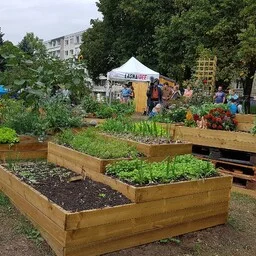
Estonian cities have many different green spaces. There are neat parks and gardens, but also wild vacant lots. Landscape architect Kadri Maikov and environmental sociologist Bianka Plüschke-Altof say that cities could experiment more.
In Estonia, parks are often quiet and orderly. People walk there peacefully. But wilder areas with untamed plants are also important. They support nature more.
Bianka Plüschke-Altof says that Estonian parks are different from, for example, Berlin's. In Berlin, people have barbecues in parks, but in Estonia, this often seems strange. Here, peace is preferred.
Vacant lots are areas where people can experiment freely. There aren't many rules there. People grow plants or even make furniture. This gives them direct contact with nature.
Estonia has a long tradition of agriculture. In the past, vegetables were grown out of necessity. Now people do it as a hobby. There are many urban gardeners who plant on windowsills or in public spaces.
Some people do this without permission. They reuse materials and help nature. Such small actions help the environment more than many think.
Different people use green spaces differently. Young people enjoy company and active pastimes. Older people seek peace and nature. Some, like lawyers, don't visit parks because they have to work.
Animals and plants also live in urban spaces. Often they aren't considered in planning. But natural areas are important for everyone. Dried plants may seem messy to people, but it's a natural process.
City dwellers should get used to a different aesthetic. Lawns don't always need to be short and neat. Natural areas support wildlife and are healthier.
The use of green spaces depends on their location. If a park is nearby, people visit often. If it's far away, they rarely go.
In the future, urban planning should be more flexible. People have many ideas, but rules hinder them. More freedom to experiment could be given.