
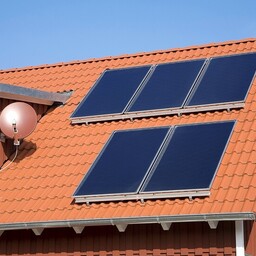
Many dream of a small house at the edge of the forest. There, a wind turbine and solar panels provide energy. However, in Estonia, it is difficult to live solely relying on them. It can be very expensive.
During the coronavirus pandemic, many people started moving to the countryside. Remote work gave people more freedom. However, after the pandemic, this trend is declining again. The population of Tallinn is growing, but the population in rural areas is decreasing. Mostly older people live in the countryside.
Young people want to live in the city, where there are more opportunities. By the age of 30, the desire to move to the countryside arises. Many want to be homeowners.
People living in the countryside also want urban comforts. Old houses are being renovated into modern ones. Internet connection is very important.
It is difficult to obtain reliable electricity in the countryside. Grid operators are unwilling to make large investments. Off-grid systems may seem like a good solution, but they come with problems too.
Microgrids and nanogrids are systems that produce and consume electricity. They can be village or house electricity systems. These grids are important, but they also come with difficulties.
The electrical system must be balanced. If consumption and production are not consistent, problems arise. These problems are greater in smaller systems.
Renewable energy production is seasonal. Solar panels produce more energy in the summer. In winter, there is less energy. This makes life harder.
A microgrid connected to the main grid could be the best solution. It is simpler and cheaper than a completely independent system. Such a system allows for savings.
In times of crisis, it is important that the electrical system is resilient. The system must be able to separate into smaller parts. This allows electricity to be maintained in serious situations.