
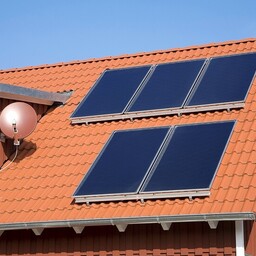
Paljud unistavad väikesest majast metsaservas. Seal on tuulik ja päikesepaneelid, mis annavad energiat. Kuid Eestis on
raske elada ainult nende abil
. See võib olla väga kallis.
raske elada ainult nende abil
Tõlge fraasile: raske elada ainult nende abil
EN
hard to live solely with their help
Koroonapandeemia ajal hakkasid paljud inimesed maale kolima. Kaugtöö tegi inimesed vabamaks. Kuid pärast pandeemia on see trend taas langemas. Tallinna elanike arv kasvab, aga maal elanike arv väheneb. Maal elavad enamasti vanemad inimesed.
Noored tahavad elada linnas, kus on rohkem võimalusi. Kuid 30-aastasteks tekib soov maale kolida. Paljud tahaksid
oma kodu omanikud olla
.
oma kodu omanikud olla
Tõlge fraasile: oma kodu omanikud olla
EN
to be homeowners
Maal elavad inimesed tahavad ka linna mugavusi. Vanu maju renoveeritakse modernseks. Internetiühendus on väga oluline.
Maal on
raske saada usaldusväärset elektrit
. Elektrivõrgu operaatorid ei soovi teha suuri investeeringuid. Off-grid süsteemid võivad tunduda hea lahendusena. Kuid nendega on ka probleeme.
raske saada usaldusväärset elektrit
Tõlge fraasile: raske saada usaldusväärset elektrit
EN
hard to get reliable electricity
Mikrovõrk ja nanovõrk on süsteemid, mis toodavad ja tarbivad elektrit. Need võivad olla küla või maja elektrisüsteemid. Need võrgud on olulised, kuid nendega on ka raskusi.
Elektrisüsteem peab olema tasakaalus. Kui tarbimine ja tootmine ei ole ühtlased, tekivad probleemid. Väiksemates süsteemides on need probleemid suuremad.
Taastuvenergia tootmine on hooajaline. Päikesepaneelid toodavad rohkem energia suvel. Talvel on energia vähem. See teeb elu raskemaks.
Mikrovõrk, mis on ühendatud üldvõrguga, võiks olla parim lahendus. See on lihtsam ja odavam kui täiesti iseseisev süsteem. Selline süsteem võimaldab kokku hoida.
Kriisiajal on oluline, et elektrisüsteem oleks vastupidav. Süsteem peab suutma eralduda väiksemateks osadeks. See võimaldab säilitada elektrit tõsistes olukordades.
Many dream of a small house at the edge of the forest. There, a wind turbine and solar panels provide energy. However, in Estonia, it is difficult to live solely relying on them. It can be very expensive.
During the coronavirus pandemic, many people started moving to the countryside. Remote work gave people more freedom. However, after the pandemic, this trend is declining again. The population of Tallinn is growing, but the population in rural areas is decreasing. Mostly older people live in the countryside.
Young people want to live in the city, where there are more opportunities. By the age of 30, the desire to move to the countryside arises. Many want to be homeowners.
People living in the countryside also want urban comforts. Old houses are being renovated into modern ones. Internet connection is very important.
It is difficult to obtain reliable electricity in the countryside. Grid operators are unwilling to make large investments. Off-grid systems may seem like a good solution, but they come with problems too.
Microgrids and nanogrids are systems that produce and consume electricity. They can be village or house electricity systems. These grids are important, but they also come with difficulties.
The electrical system must be balanced. If consumption and production are not consistent, problems arise. These problems are greater in smaller systems.
Renewable energy production is seasonal. Solar panels produce more energy in the summer. In winter, there is less energy. This makes life harder.
A microgrid connected to the main grid could be the best solution. It is simpler and cheaper than a completely independent system. Such a system allows for savings.
In times of crisis, it is important that the electrical system is resilient. The system must be able to separate into smaller parts. This allows electricity to be maintained in serious situations.